Arita Porcelain · Story
Arita Ware 101: The 400-Year Story of Japan's First Porcelain
By Yuki Watanabe · Updated August 23, 2026
Arita ware (有田焼) is Japan’s first porcelain, made in the town of Arita in Saga Prefecture since 1616. When a Korean potter named Yi Sam-pyeong found kaolin clay in the hills at Izumiyama, Japan gained the one material it had been missing: the white stone that makes true porcelain possible. Within a century, Arita porcelain was on aristocratic tables across Europe — and 400 years later it is still being made in the same valley.
I’m a designer based in Japan, and Arita is the craft I recommend most often to people who want to start collecting Japanese ceramics. Unlike most crafts, you can live with it. A plate is a plate.
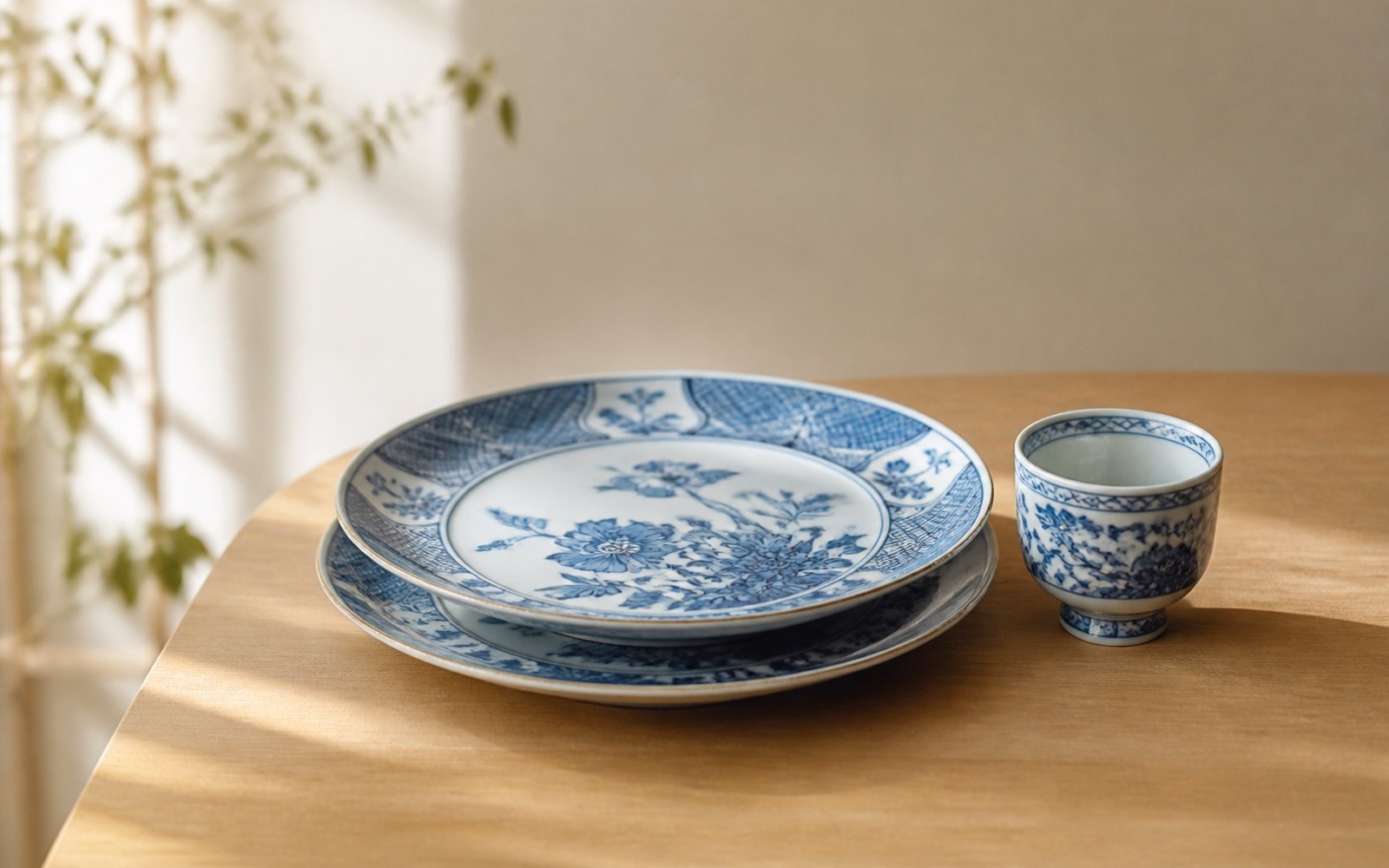
Note: photographs on this page are illustrative images of the craft. Product photos in each card come from the shop’s own listing.
1616: the year Japan learned to make porcelain
Before Arita, Japan made pottery — earthenware and stoneware, fired from ordinary clay. What it could not make was porcelain: the white, translucent, ringing material that China had been producing for centuries and that Japan imported at great expense.
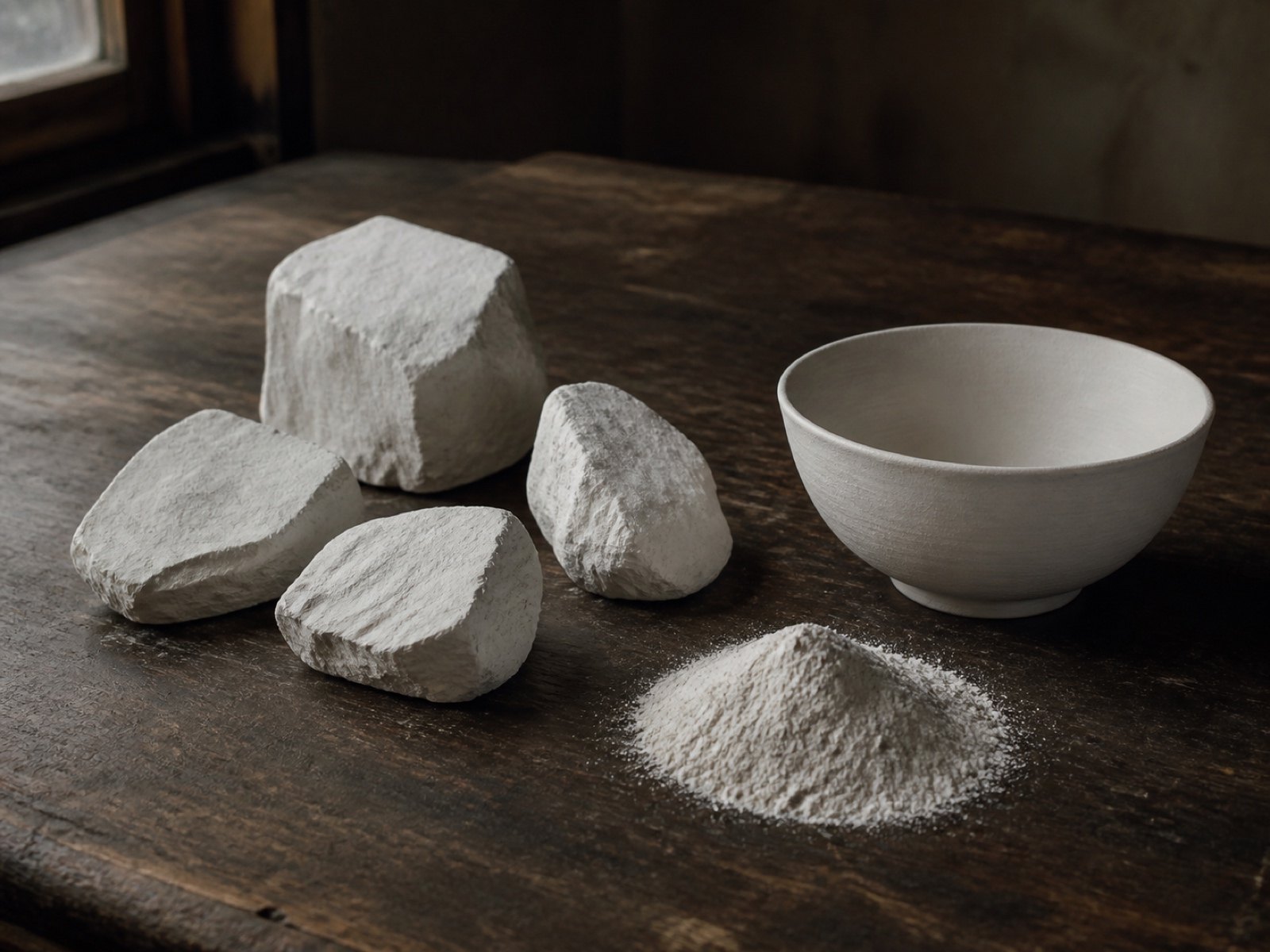
The missing ingredient was kaolin. In 1616, Yi Sam-pyeong (known in Japan as Kanagae Sanbee), a Korean potter brought to Kyushu after Hideyoshi’s invasions of Korea, discovered a deposit of porcelain stone at Izumiyama in Arita. The quarry he opened is still there — a whole hillside quietly removed over four centuries.
The timing was extraordinary. Just decades later, China’s Ming dynasty collapsed and its export kilns fell silent. The Dutch East India Company, suddenly without Chinese porcelain to sell, turned to Japan. Between roughly 1650 and 1750, millions of pieces of Arita porcelain were shipped to Europe, where they ended up in the palaces of Dresden and Versailles.
Arita or Imari? The confusion, explained
Arita and Imari are largely the same pottery under two names. Arita is the town where the porcelain was made. Imari was the port, about 12 km away, where it was loaded onto ships. European buyers named it after the harbour it arrived from, and the name stuck.
Today the distinction is one of usage rather than origin:
- Arita ware — the general name for porcelain from this region, used for everything from 17th-century masterpieces to the mug you drink from tomorrow.
- Imari — usually means either historical export pieces, or the dense red-gold-and-blue decorative style (“Ko-Imari”) that Europeans collected obsessively.
If a modern shop sells you “Imari ware,” it is Arita porcelain in the Imari style.
The three styles worth knowing
| Style | Look | Origin |
|---|---|---|
| Sometsuke (染付) | Cobalt blue painted under a clear glaze | The everyday classic; blue survives high firing |
| Kakiemon (柿右衛門) | Sparse red, green and blue enamels on milk-white (“nigoshide”) | Developed 1640s; copied by Meissen and Chantilly |
| Nabeshima (鍋島) | Precise, restrained, perfectly balanced designs | Made for the ruling Nabeshima clan — not for sale |
The one that surprises people is Nabeshima. Its kiln existed purely to produce gifts for the shogunate and other lords, with no commercial pressure at all. The result is porcelain designed the way a graphic designer would design it: strict grids, deliberate negative space, motifs cropped by the rim on purpose. It is 300-year-old design work, and it still looks current.
Kakiemon deserves its own footnote: its milk-white body and asymmetric enamel painting so captivated Europe that Meissen — Germany’s first porcelain factory — copied it outright in the 1730s. Arita didn’t just export objects; it exported a visual language.
How to spot a good piece
Four things I check when picking up Arita ware:
- Hold it to the light. Good porcelain is thin enough to glow faintly at the rim. Thick, dull, opaque pieces are usually lower-grade or stoneware pretending.
- Tap it. Porcelain rings — a clear, sustained note. Earthenware thuds.
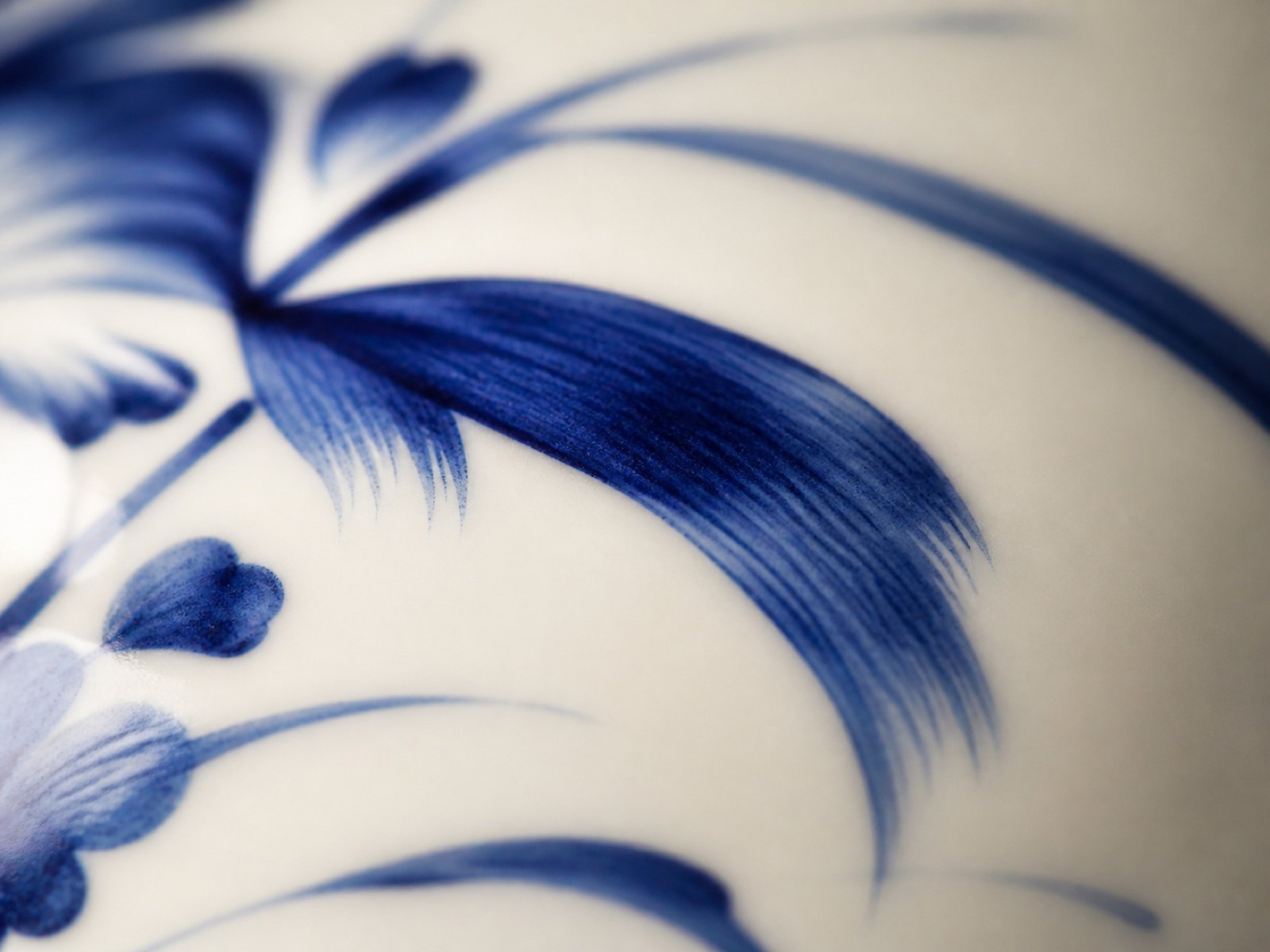
- Look at the blue line ends. On hand-painted sometsuke, brushstrokes vary in width and taper where the brush lifted. Transfer-printed pieces have perfectly uniform lines and often a faint dot pattern under magnification. Neither is “bad” — but only one is painted by a person, and the price should reflect which you are buying.
- Turn it over. Serious kilns mark the foot. An unmarked foot isn’t disqualifying for everyday ware, but for anything expensive you want a kiln name.
Where Arita shows up today
Arita has never been a museum. It is a working industry, and four centuries in, its kilns still make things for daily life — which is exactly why it travels well as a gift.
The format I recommend first is an incense holder. It is inexpensive, it is genuinely used, and it is painted in exactly the sometsuke tradition described above: cobalt blue, applied by hand, under a clear glaze. Small enough to post, useful enough to keep.
For a slightly larger piece — and a more visible one on a shelf — this burner carries a painted floral motif across a wider surface, which is where hand-painting shows best.
Then there are the objects you would not expect a 400-year-old porcelain town to make. Arita kilns supply clock faces to Japanese movement makers: the dial is fired and painted in Arita, the mechanism added in Japan. It is a small piece of the craft you can put on a desk.
The asanoha (hemp leaf) pattern on that one is worth knowing — the same motif that appears on kimono for children, because hemp grows fast and straight. A quiet wish, printed on a clock face.
Living with Arita ware
Three practical notes, from using it daily:
- It is tougher than it looks. Porcelain is fired around 1,300°C, so plain glazed pieces handle dishwashers and daily use fine.
- Gold and silver decoration is the exception — never microwave it, and hand wash.
- Blue-and-white goes with everything. This is the quiet reason Arita travels so well as a gift: it does not demand a Japanese interior to look right.
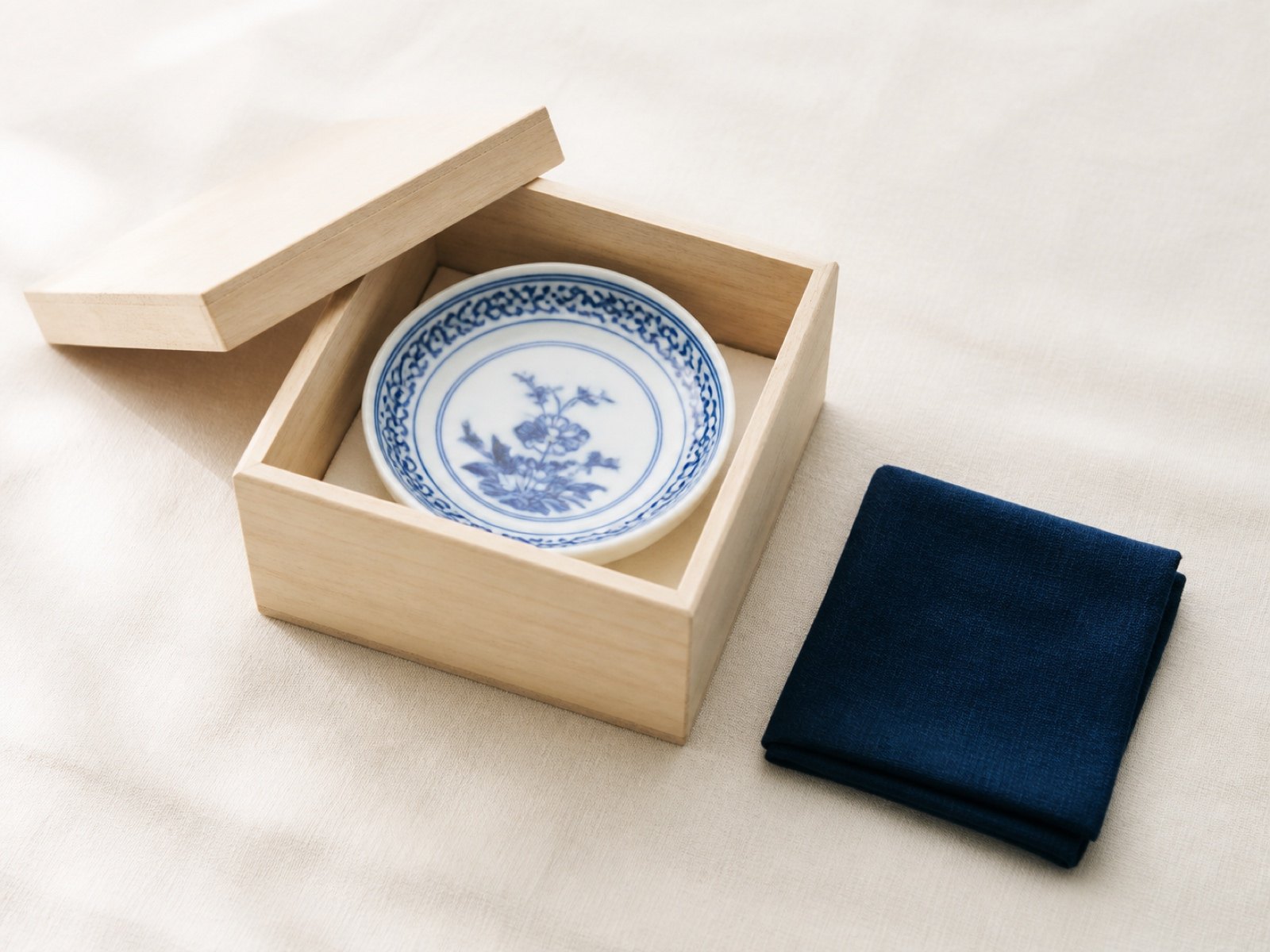
If you are choosing a first piece to send abroad, an incense holder or a small dish in sometsuke blue is nearly foolproof: low risk, low price, and unmistakably Japanese without being loud about it.
A full buying guide to Arita ware — the best plates, cups and gift sets you can order direct from Japan — is coming next in this category.
Frequently Asked Questions
What is Arita ware?
Arita ware (有田焼, Arita-yaki) is porcelain made in and around the town of Arita in Saga Prefecture, on the island of Kyushu. Production began in 1616 when kaolin clay was discovered nearby, making it the first porcelain ever produced in Japan. It is characterised by a very white, hard, thin body and painted decoration, most famously in cobalt blue.
What is the difference between Arita ware and Imari ware?
They are largely the same pottery under two names. Arita is where the porcelain was made; Imari was the nearby port it was shipped from, so European buyers called it Imari. Today 'Imari' usually refers to older export pieces or to the heavily decorated red-and-gold style, while 'Arita ware' is the name used for the region's porcelain in general.
Is Arita ware expensive?
It spans a wide range. Everyday Arita plates and cups start around ¥2,000–5,000, well-made incense holders and small clocks sit around ¥6,000–14,000, and pieces by named kilns or in the Kakiemon and Nabeshima traditions run into hundreds of thousands of yen. The craft has also been used for wristwatch dials, which sit at the top of that range.
Is Arita ware microwave and dishwasher safe?
Plain glazed Arita ware is usually fine in the dishwasher and microwave, because porcelain is fired at very high temperatures. Pieces decorated with gold or silver overglaze must never go in the microwave — the metal will spark — and hand washing is safer for any hand-painted piece.
What are the main styles of Arita ware?
Three are essential: sometsuke, cobalt blue painted under a clear glaze; Kakiemon, sparse overglaze enamels in red, green and blue on a milk-white ground, famously copied by Meissen; and Nabeshima, refined designs made for the ruling Nabeshima clan rather than for sale, known for their perfect balance.
Does Arita ware make a good gift?
It is one of the easiest Japanese crafts to give. It is genuinely usable rather than decorative, it survives daily life, and price points start low enough for a casual gift. Blue-and-white pieces suit almost any interior, which matters when you are sending something abroad.