
Kitchen Knives
Japanese kitchen knives from Sakai, Seki, Miki and Tosa, chosen by what the person cooks, with the shop’s specifications, care notes and how to order from Japan.
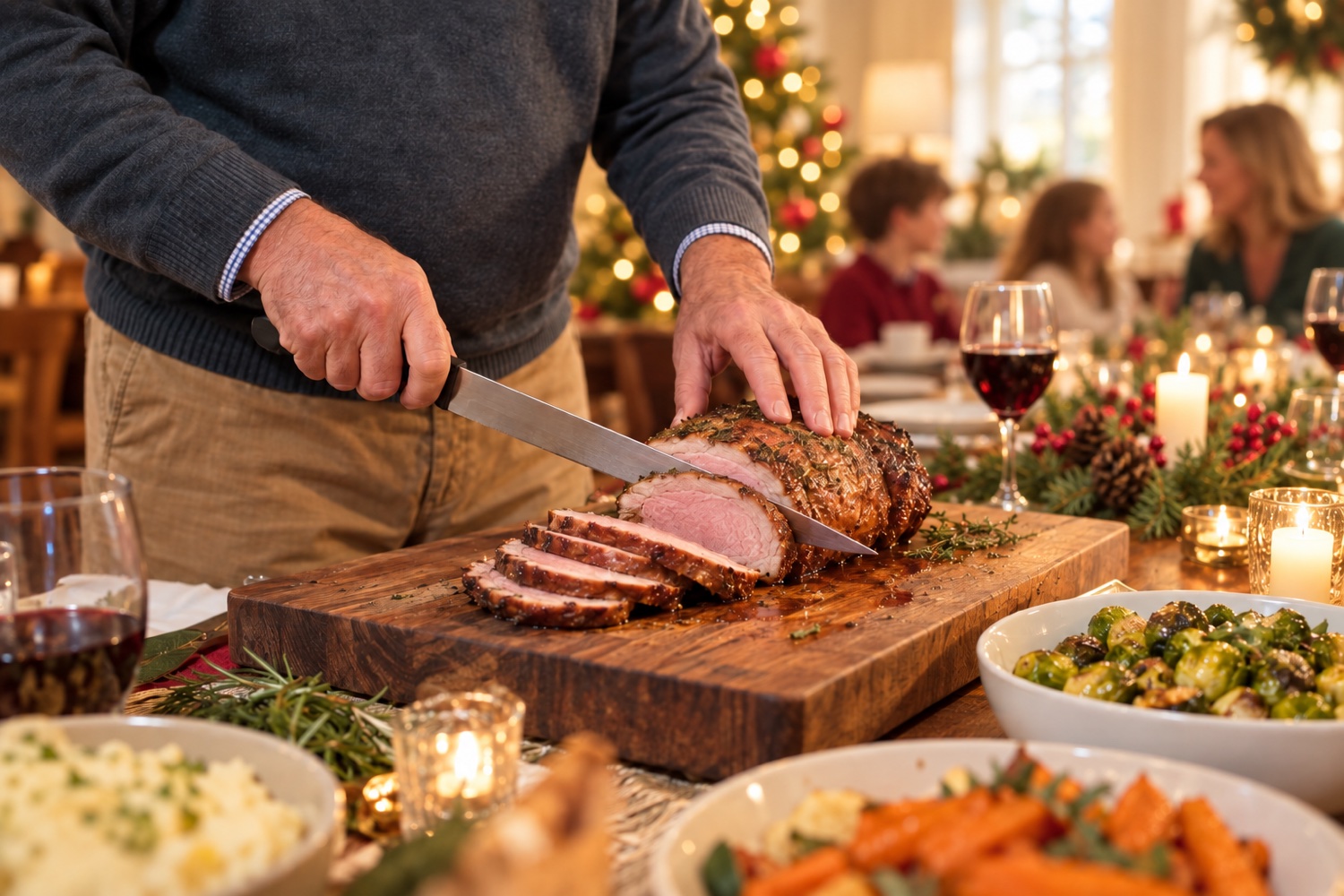
A Japanese Slicing Knife for the Dad Who Carves Christmas Dinner Every Year
A Japanese sujihiki for the dad who carves Christmas dinner every year: who it suits, what it can slice, what it should never be used on, and what to check before ordering from Japan.
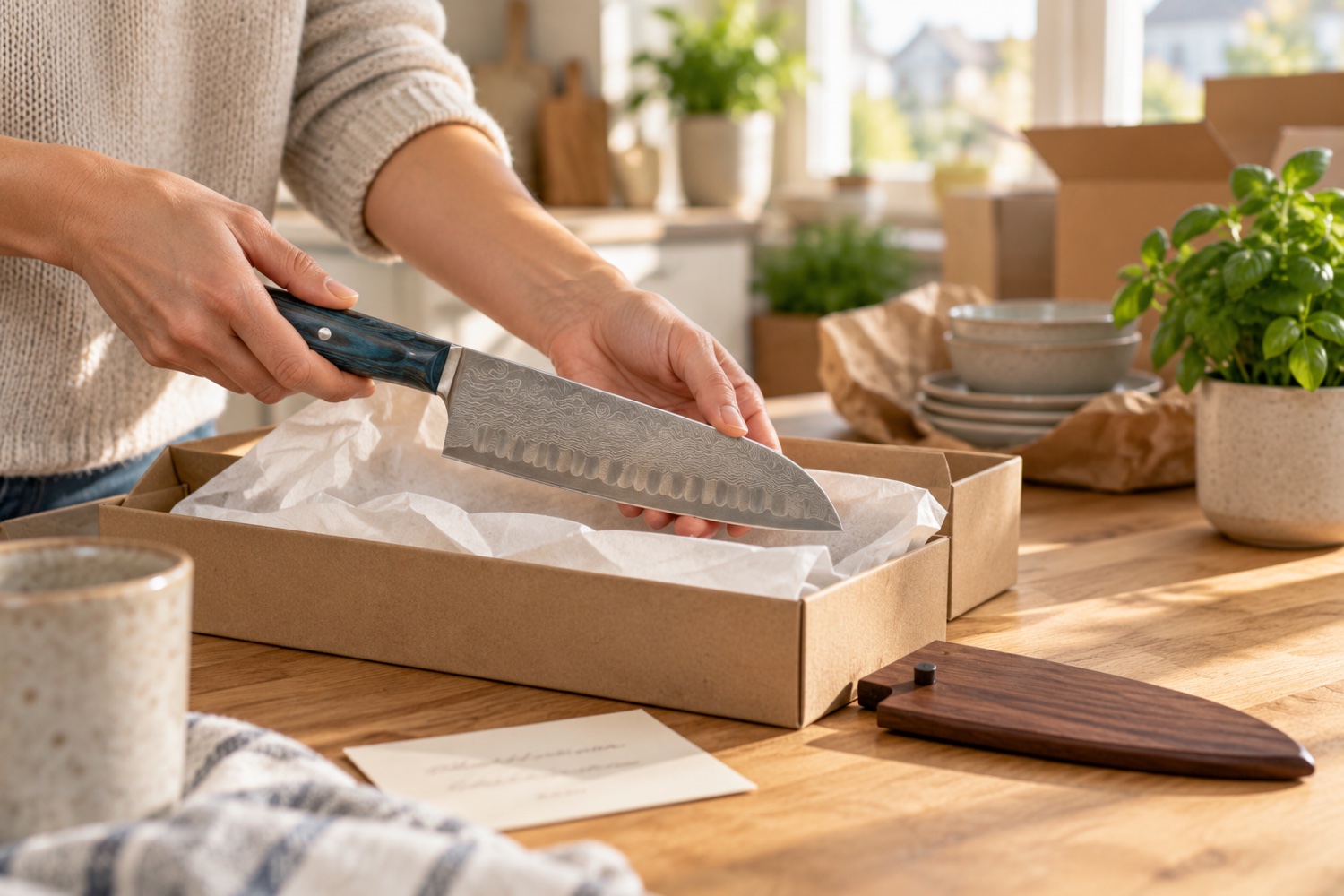
Santoku or Gyuto as a Gift? How to Choose for a Home Cook
Giving a Japanese knife to someone who cooks, for a housewarming, a birthday or no reason at all? How to choose between a santoku and a gyuto by their kitchen, their board and the knife they already use, plus three Japanese knives from Hocho Knife with the shop's own specifications.
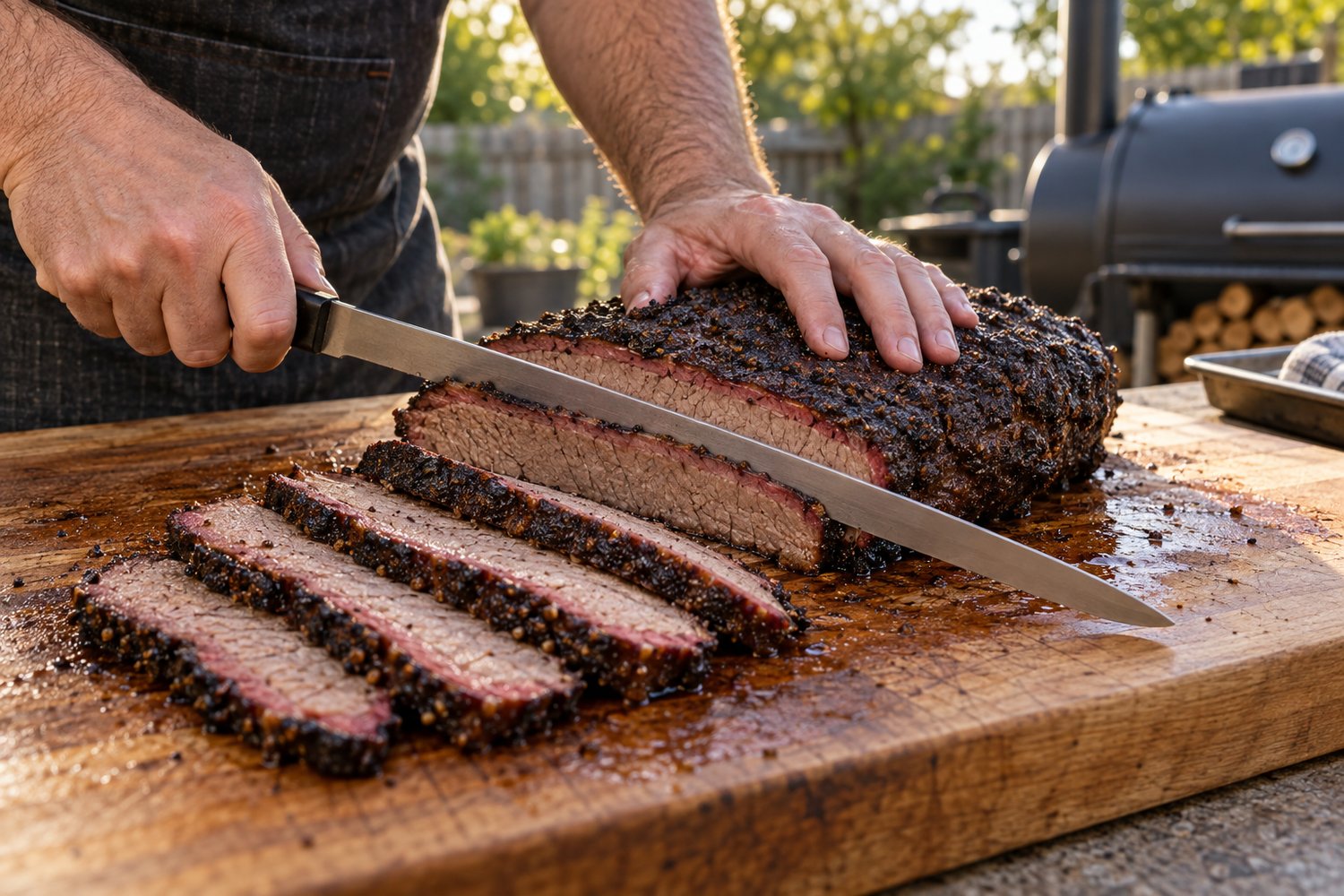
A Japanese Slicing Knife for the Husband Who Smokes Brisket
He already has the smoker, the thermometer and the rub he swears by. A Christmas gift guide for his wife or partner: why a Japanese sujihiki suits the last step of a long smoke — slicing the meat — when a long BBQ slicer is the better choice instead, three knives from Hocho Knife with the shop's specifications, and how to order in time from Japan.
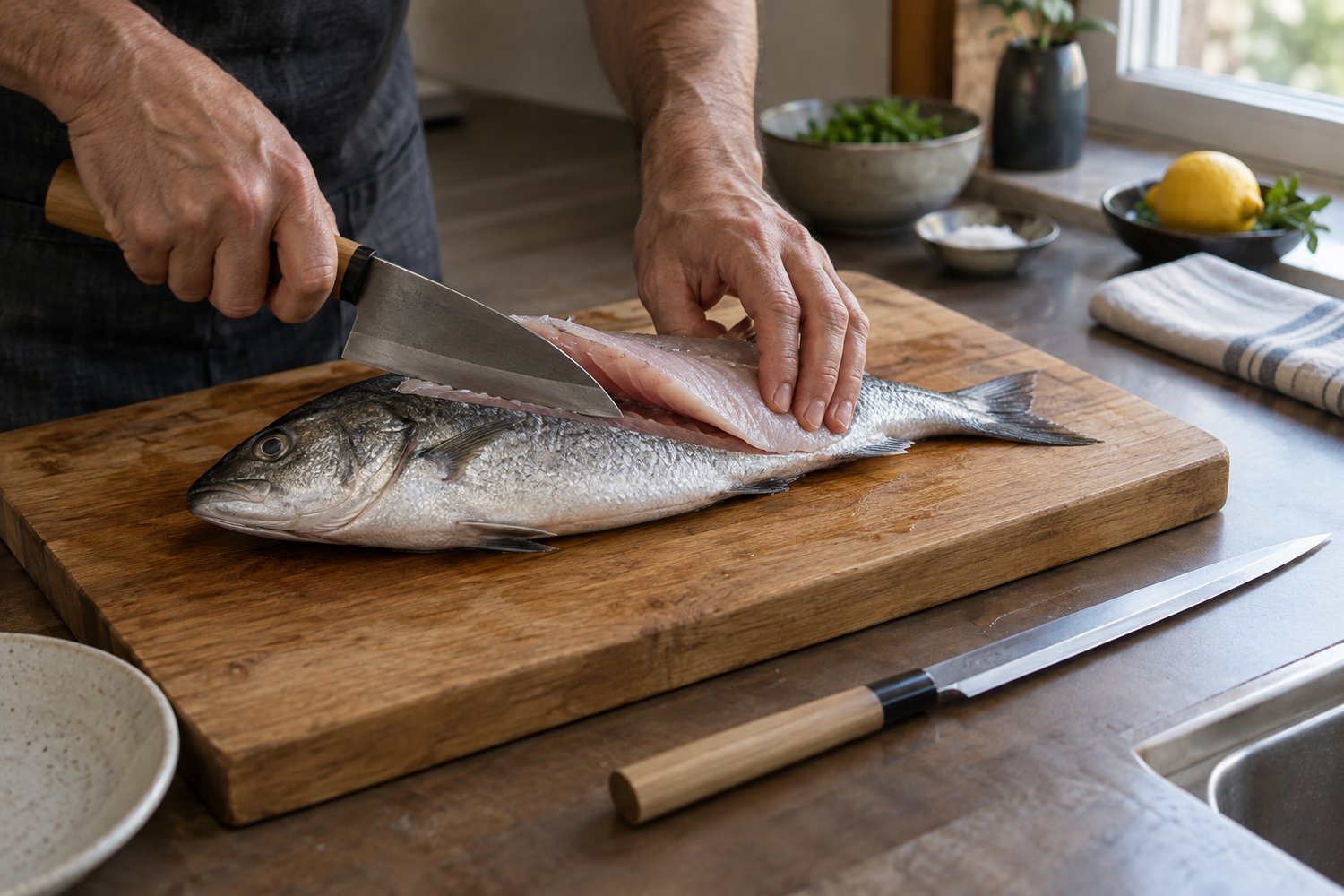
A Deba and Yanagiba Set for the Angler Who Cleans Their Own Catch
For the person who brings fish home whole and fillets them on the kitchen counter: why two Japanese fish knives — a deba to break the fish down and a yanagiba to slice it — are the gift, three pairs from Hocho Knife at different prices (including a left-handed pair), the shop's specifications, and what to check before you order from Japan.
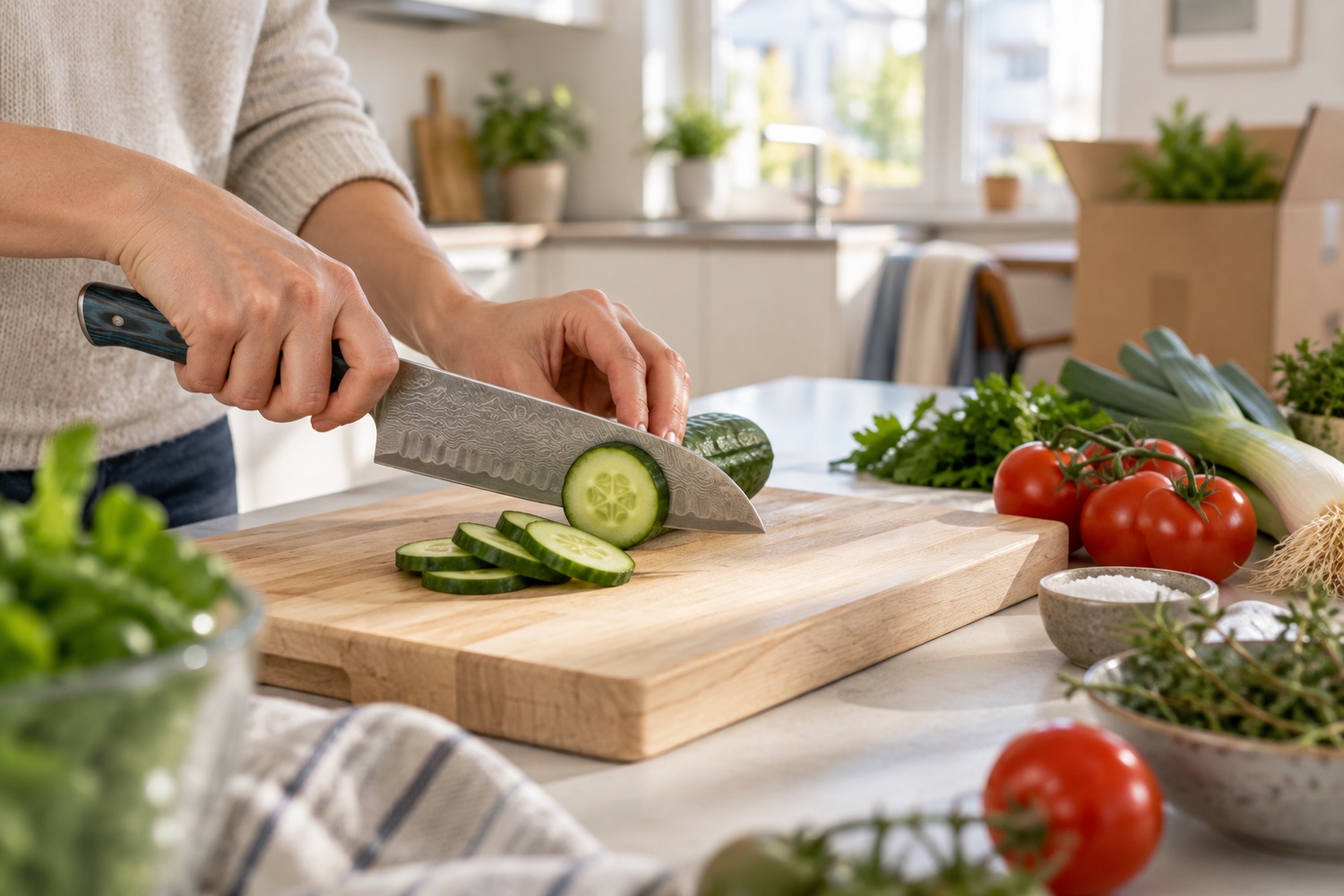
A Japanese Knife for the Weekend Cook in Your Life
A gift guide for the person who spends Saturdays cooking: why a Japanese santoku suits weekend home cooking, one knife to consider — a 33-layer VG10 Damascus santoku made in Sakai — its listed specs, what to check about their kitchen and habits before buying, and whether to surprise them or ask.
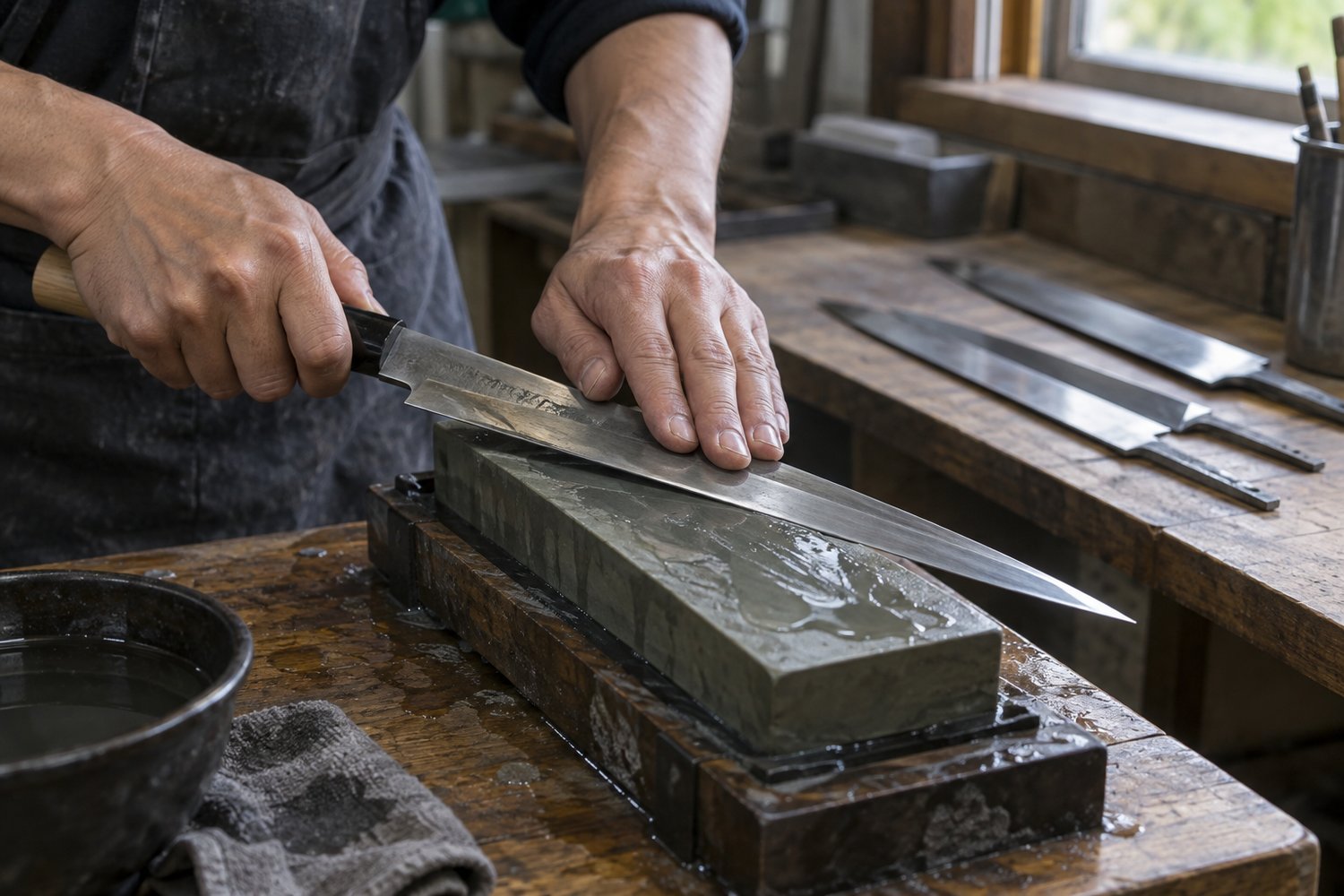
How Tobacco Knives Helped Build Sakai's Kitchen Knife Tradition
Sakai, the city south of Osaka, is known for the single-edged knives Japanese chefs use. Part of that story runs through tobacco: the knives made to shred its leaves in the late 16th century. A short history of Sakai knifemaking from municipal and craft-body sources — tobacco knives, the shogunate's Sakai Kiwame mark, and a town that splits each knife between specialists — and one Sakai-made yanagiba you can give today.
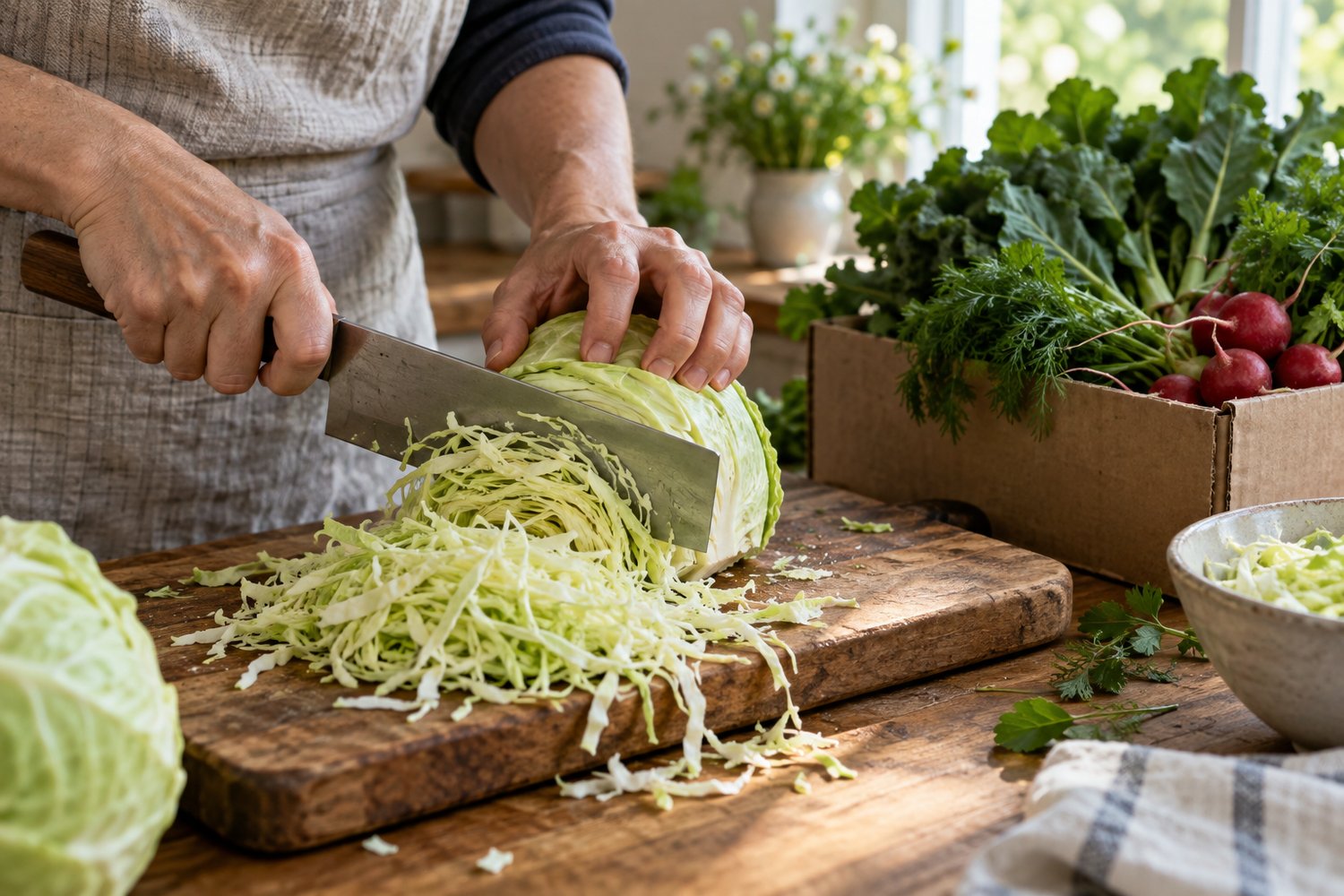
A Japanese Nakiri for the Partner Who Loves Their CSA Box
For the partner who picks up a farm share every week and spends Sunday turning cabbage, greens and herbs into the week's meals: why a Japanese nakiri, the flat-edged vegetable knife, makes sense as a second knife next to their chef's knife or santoku. One knife from Hocho Knife with its specifications, what it isn't for, and how to order from Japan.
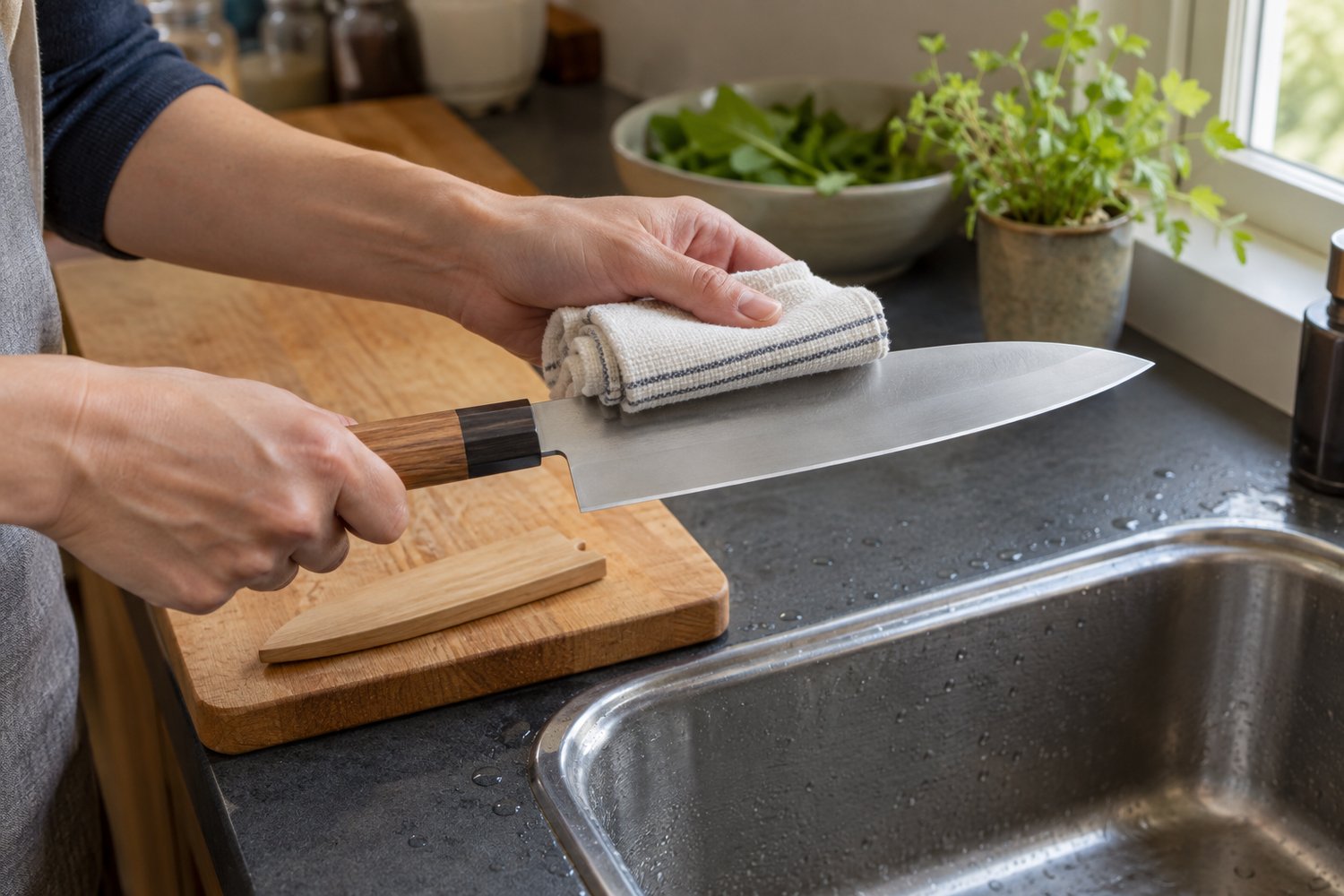
Japanese Knife Care: A Practical Guide for Your First Japanese Knife
You've bought, been given, or are about to give a Japanese knife. Day-to-day care comes down to a few habits: wash by hand, dry right away, use the right board, cut with the right knife, and store the edge safely. What makers and knife shops actually say — including where Shun, Korin, GLOBAL and MUSASHI disagree — and a short care note to include with a gift.
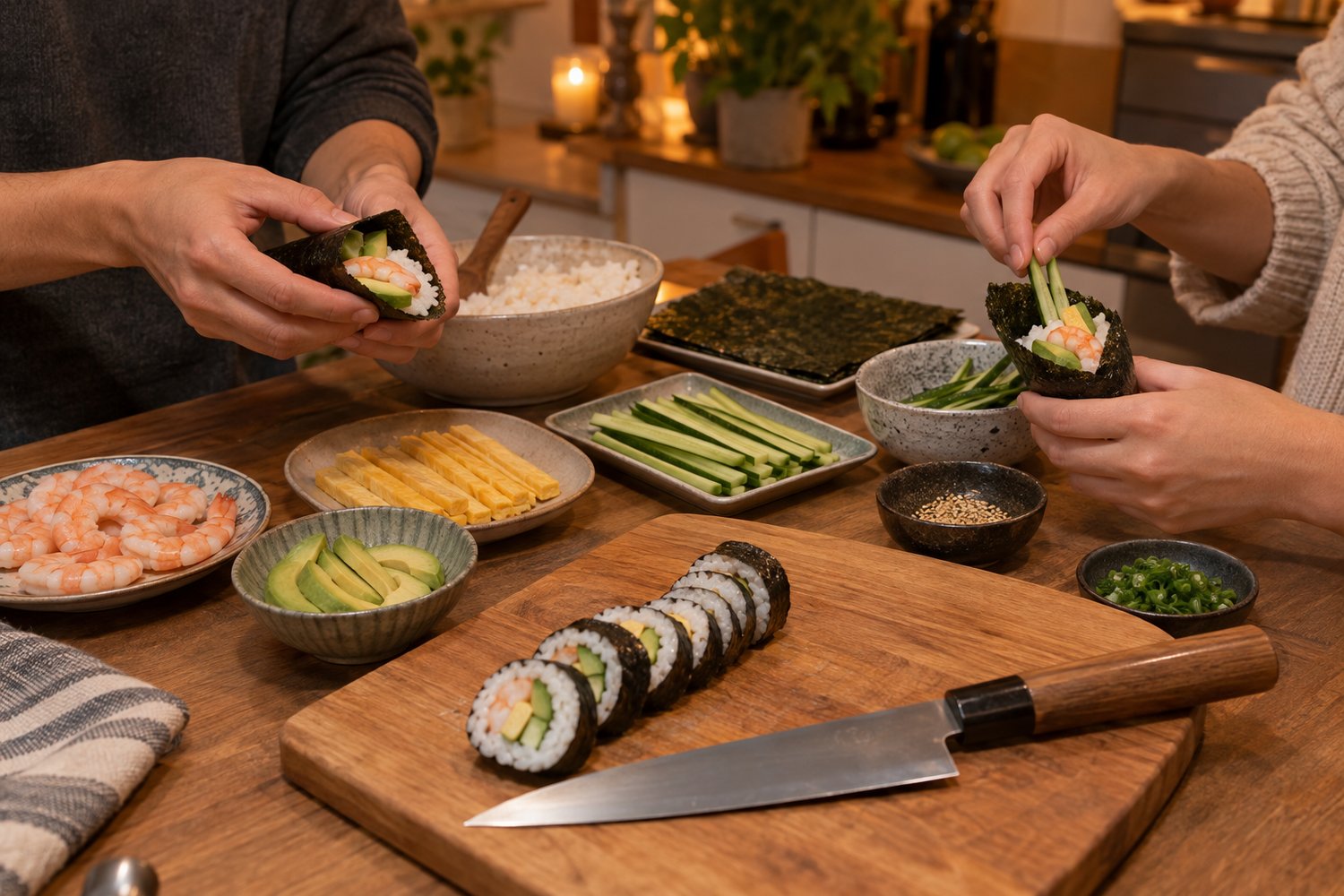
Hosting a Sushi Night at Home: What Knife Do You Actually Need?
Hand rolls, maki or a sashimi platter? The knife you need depends on the menu, and you may already own it. How to cut rolls and fish cleanly, when a gyuto, a sujihiki or a yanagiba is worth adding, three Japanese knives from Hocho Knife with their specifications, how to set up the counter on the night, and a short note on serving raw fish safely.
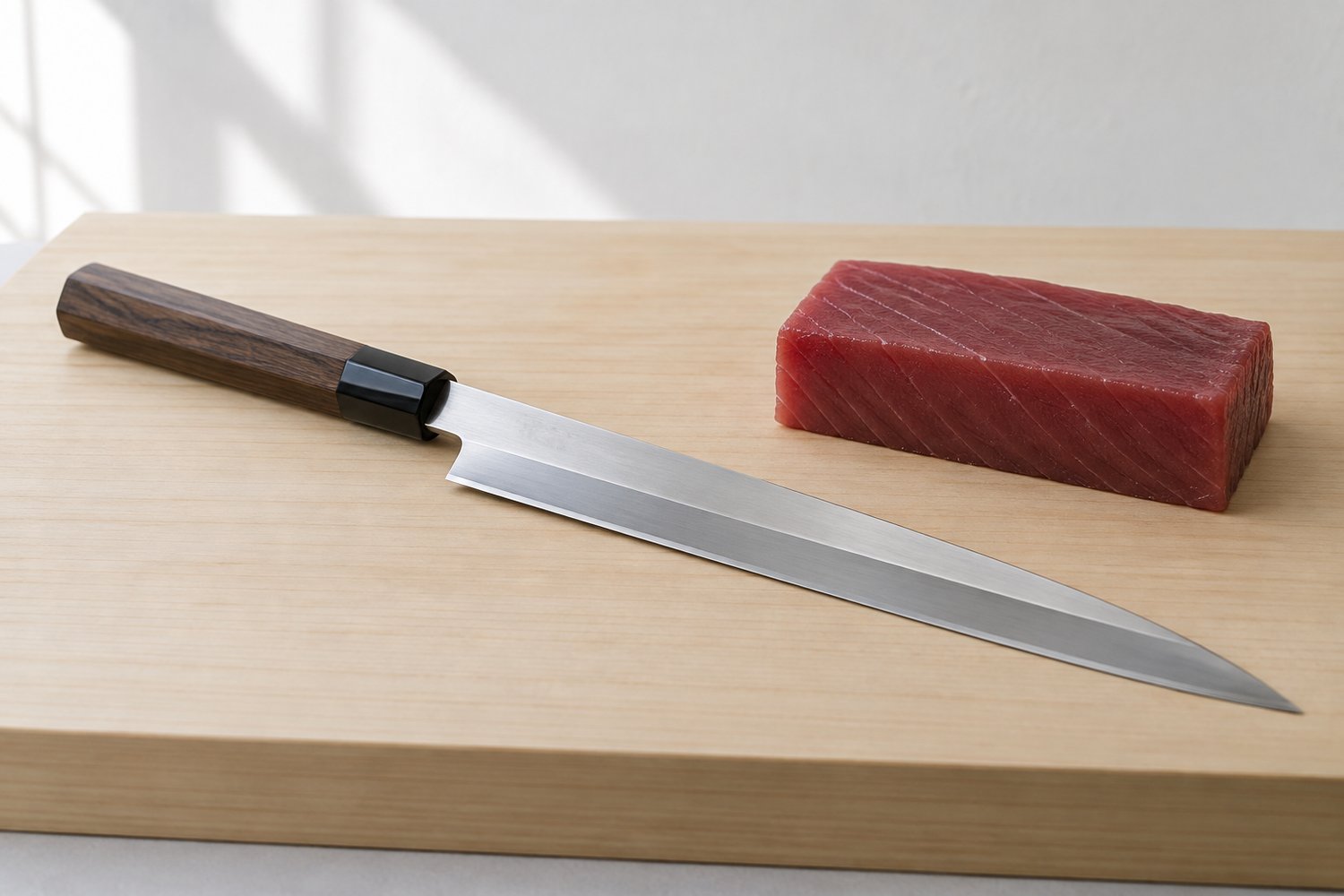
The Best Japanese Knife to Give a Sashimi Lover (2026): Yanagiba, Sujihiki or Deba?
Which knife suits someone who loves sashimi: the single-bevel yanagiba, the double-edged sujihiki, or a deba for whole fish. Five knives from Hocho Knife with the shop's own specifications, and what to check before you give one.
Featured Picks