JDM Watches Worth Importing (2026): Japanese-Market Seiko and Casio, and Which Are Really Japan-Only
 By Kotaro·Updated Sep 17, 2026·6 min read
This guide contains affiliate links: if you buy through one, the shop may pay me a small commission at no extra cost to you. How I choose and how I earn
What JDM means for watches, why a J, JF or JR suffix doesn't make a watch Japan-only, and eight Japanese-market Seiko and Casio models worth importing, from a small Casio digital to an urushi-dial Presage sold through Seiko's core shops in Japan.
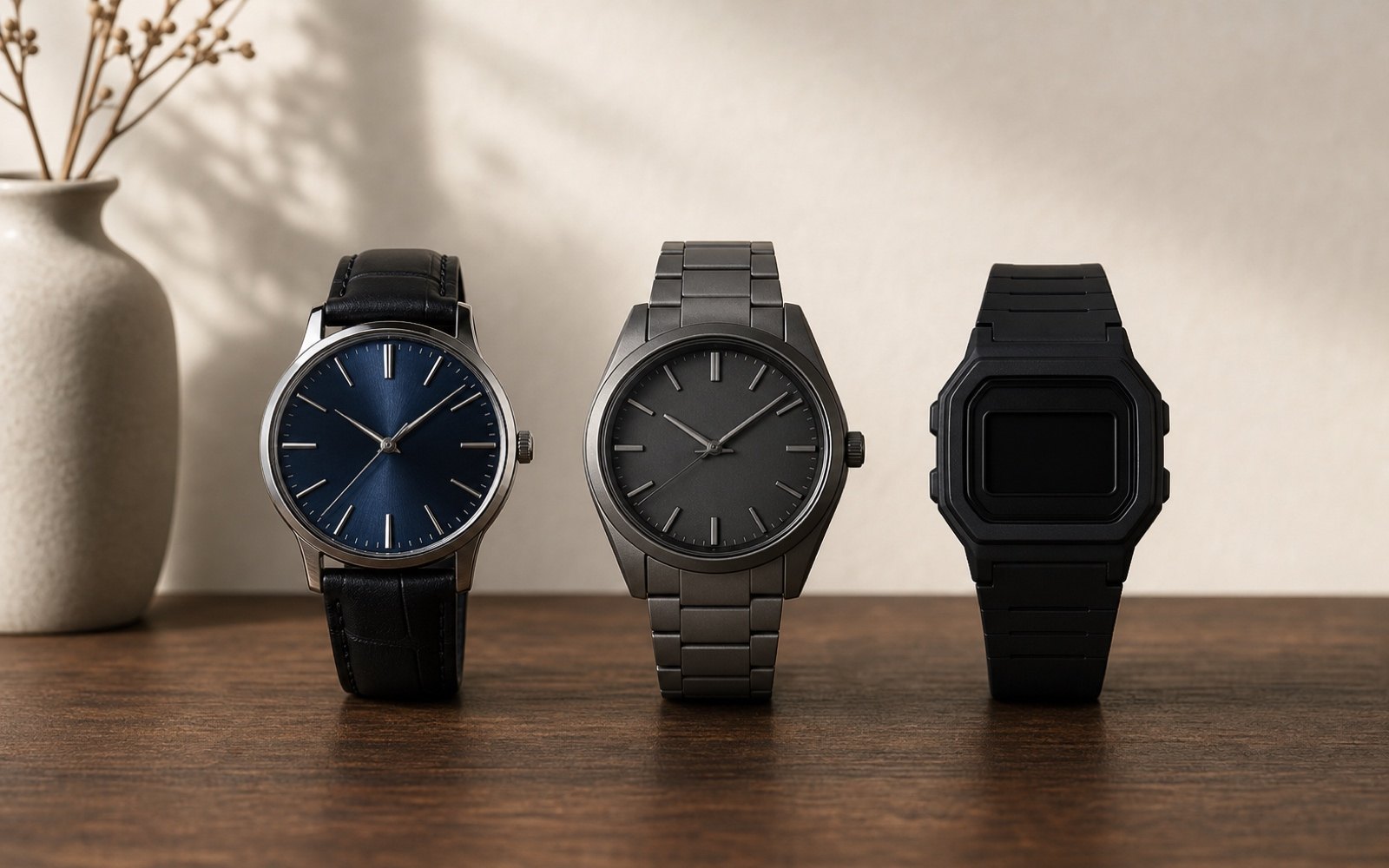
A JDM watch is the Japanese-market version of a model: the edition Seiko, Casio or Citizen makes for sale in Japan. You can often spot one by the reference suffix, which typically ends in J, JF, JR or JH. That suffix doesn’t mean the watch is sold only in Japan. Some Japanese-market models have close equivalents abroad under another reference. A few are genuinely hard to find outside Japan. This guide says which is which, as far as the makers’ own sites show.
I’m a designer living in Japan, not a watch dealer, and I haven’t worn these particular references. Specifications come from Seiko’s and Casio’s official pages. Prices and stock come from the shop.
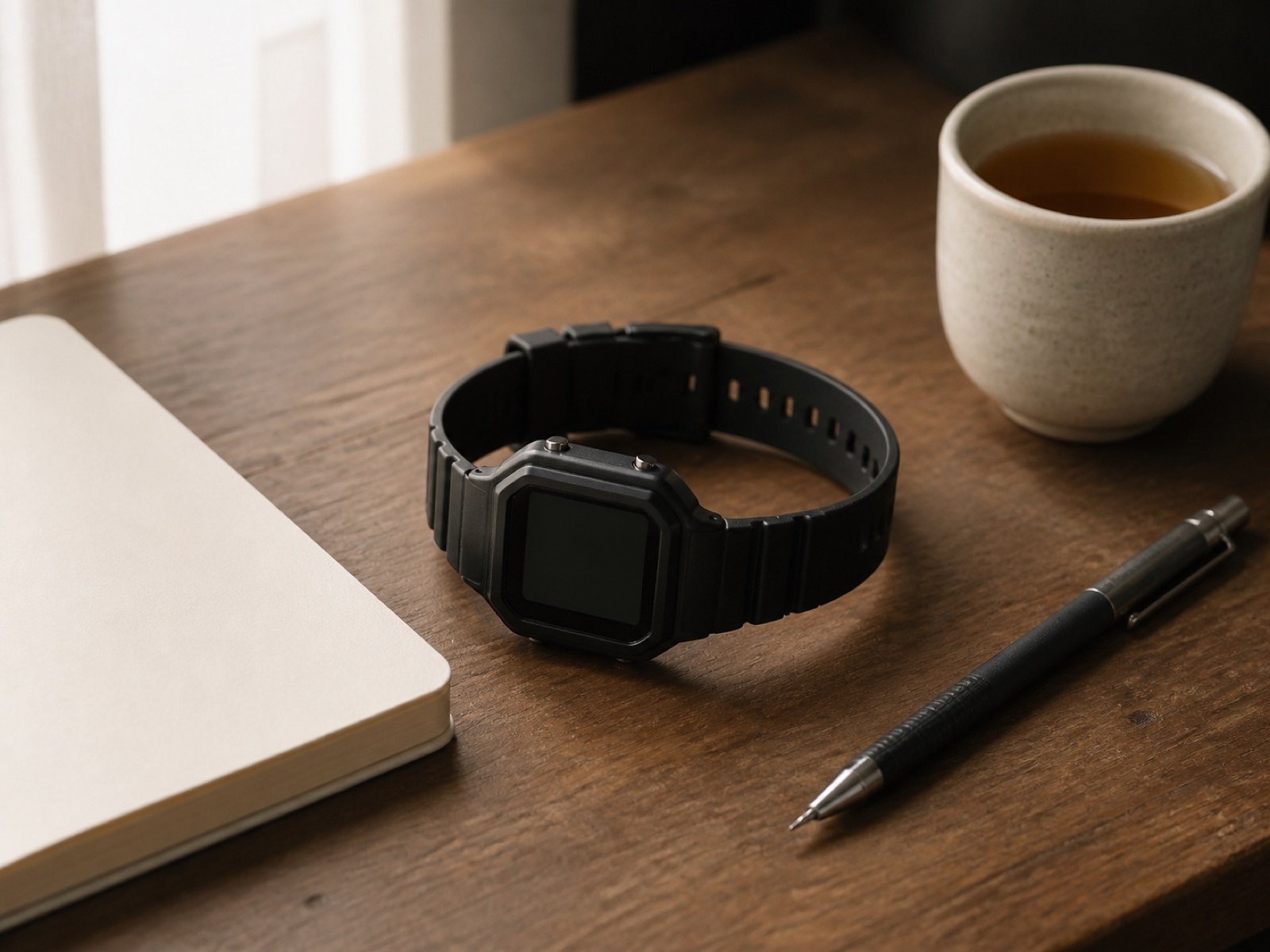
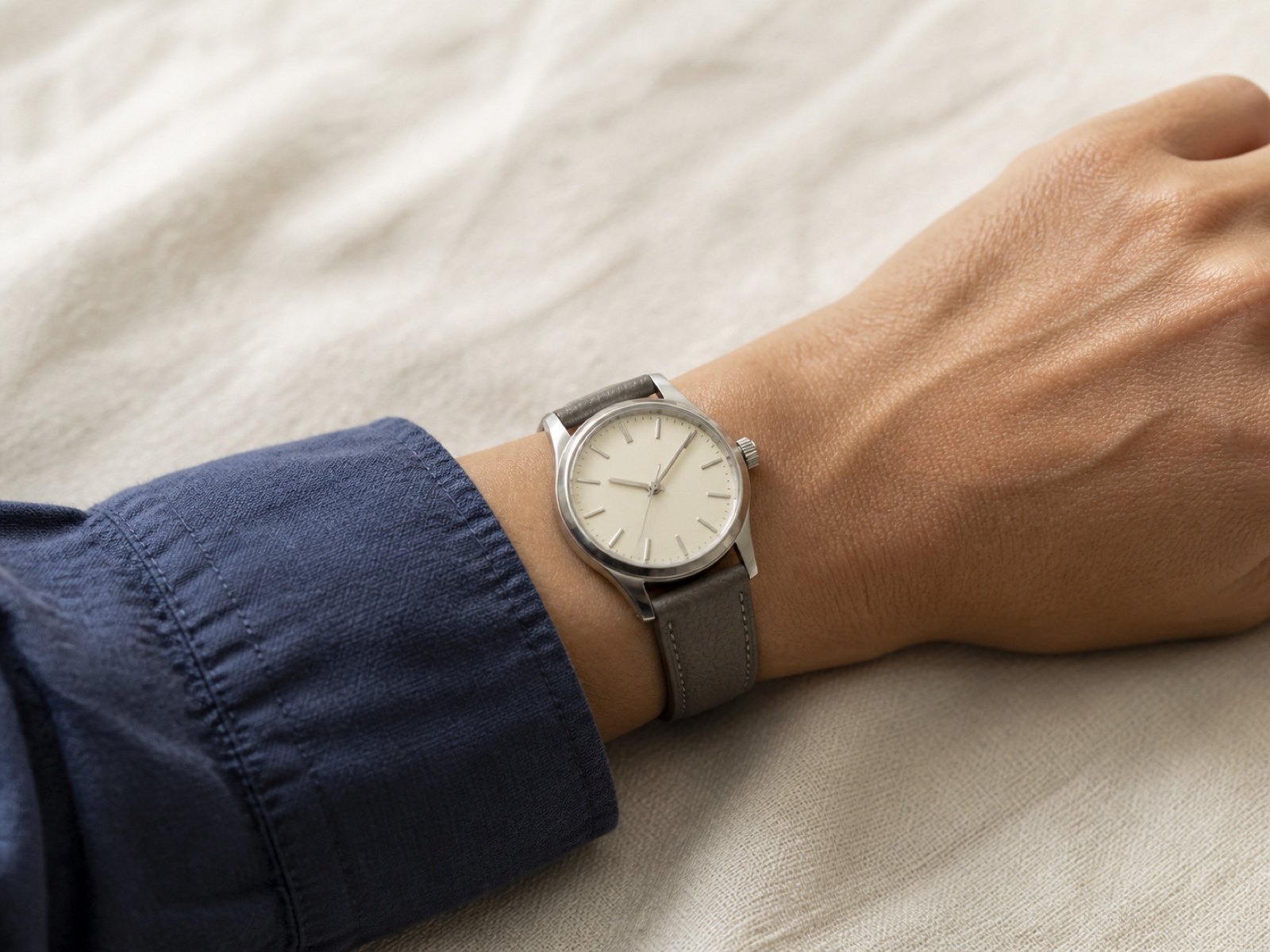
Note: photographs on this page are illustrative images. Product photos in each card come from the shop’s own listing.
Japan-only, or just the Japanese edition?
Three kinds of watch get called “JDM”, and it helps to tell them apart before you pay to import one.
- The Japanese edition of a global watch. Same watch, Japanese reference. The G-Shock below is one: Casio’s US site lists it as the GWBX5600CBG-2. Importing one gets you the Japanese box and warranty card, not a different watch.
- A Japanese-market model not listed on your country’s site. The Casio Oceanus OCW-S100B is an example: when checked, Casio’s US site listed other Oceanus models but not this one. It may still turn up abroad through other sellers.
- A model sold through a Japanese retail channel. The Seiko SART011 is listed as a Seiko Core Shop exclusive. Core shops are a network of Seiko retailers in Japan. This is the closest thing here to “Japan-only”.
Makers don’t usually publish why a model stays in one market, and this page doesn’t guess.
The short answer
Prices are Discovery Japan Mall’s in yen on 13 September 2026, before shipping and any duties; all were listed as in stock. The dollar figures are approximate.
| Watch | Shop price | Why | |
|---|---|---|---|
| Budget | Casio F-84W-1QJH | ¥2,736 (about $20) | A slim, light Japanese-market Casio digital |
| Best for most | Seiko Presage Cocktail Time GMT SARY243 | ¥80,300 (about $545) | A mechanical dress watch with a second time zone |
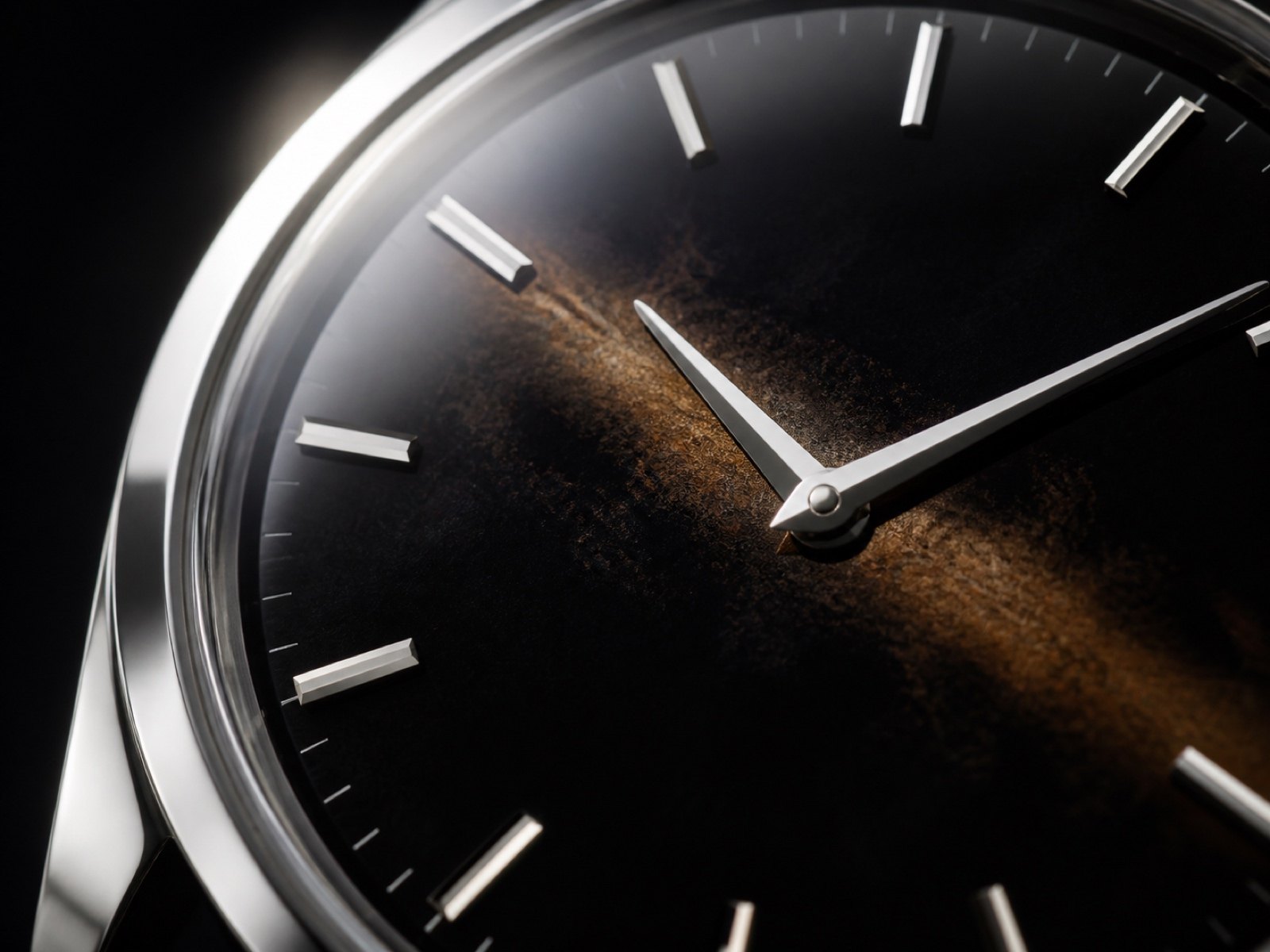
| Designer’s Choice | Seiko Presage SART011, urushi dial | ¥294,624 (about $2,005) | A hand-lacquered dial, sold through Seiko’s core shops in Japan |
Under $50: the small Casio
In Japan, inexpensive Casios are nicknamed chipukashi (チープカシオ, “cheap Casio”), and plenty of people wear them by choice. The F-84W is a flat, light digital on a resin strap. The “J” in the reference marks the Japanese-market version.
The one most people should look at: Presage Cocktail Time
Presage is Seiko’s mechanical dress line, and Cocktail Time is its best-known series. Seiko ties several Cocktail Time dials to original cocktails by Hisashi Kishi, owner of STAR BAR in Ginza (Seiko, Cocktail Time). Cocktail Time is sold internationally too; the Japanese range and references differ.
The GMT SARY243 is 40.5mm wide and 12.8mm thick, with Seiko’s 4R34 automatic movement (hand-winding, about 41 hours of reserve) and a 24-hour hand for a second time zone. It’s on a leather strap, with 5 bar water resistance. It appears to correspond to an international Cocktail Time GMT reference.
The shop lists the 34mm SRRY052 as a women’s watch, but size is the better guide. A 34mm case suits a slim wrist and sits under a shirt cuff. Seiko’s specifications: 34.0mm wide, 10.7mm thick, 4R35 automatic, stainless steel bracelet. For a Seiko collection designed from the start for women’s everyday wear, and rarely seen in US stores, see Seiko LUKIA explained.
Designer’s Choice: the urushi dial
Urushi is Japanese natural lacquer, applied in layers by hand and polished between coats. Seiko states the SART011’s dial is hand-lacquered. It also notes that individual watches may show slight differences in tone and tiny pits specific to lacquer. The watch is listed as a Seiko Core Shop exclusive, so outside Japan it’s normally bought through a shop that ships from there. For more on this watch, including its movement, see a Japanese watch for a father’s 60th birthday.
Casio beyond G-Shock: Oceanus
Outside Japan, Casio mostly means G-Shock. Its Oceanus line is a titanium, radio-controlled, solar line of dressier watches.
The OCW-S100B-1AJF is 41.5mm wide and 10.5mm thick, weighs 90g on a titanium bracelet, and has sapphire glass. Casio lists it as Multiband 6, which receives time signals in Japan, North America, Europe and China. When checked, Casio’s US site didn’t list this reference.
The Oceanus Manta OCW-S5000E-1AJF sits higher in the range and is thinner. Casio’s specifications: titanium case and bracelet, 42.3mm wide and 9.5mm thick, 82g; Tough Solar charging; Multiband 6 radio time correction plus Bluetooth time sync with a phone; sapphire glass; 10 bar water resistance; the bracelet fits wrists of 150–205mm (Casio, OCW-S5000E-1AJF, in Japanese).
A Japanese edition of a global G-Shock
G-Shock has many JF- and JR-suffix references, the Japanese-market editions. Some are also sold abroad under a different reference. This square model is listed by Casio in the US as the GWBX5600CBG-2, so the JR version is the Japanese edition rather than a Japan-only watch. For three G-Shocks chosen as gifts, see My First G-SHOCK Was a Gift.
One more: a watch designed around Japanese colors
The Seiko Riki AKPK437 is designed after the work of Riki Watanabe, a Japanese industrial designer, and sold under Seiko’s Alba brand in Japan. It’s a 36mm quartz watch, 6.9mm thick and 39g — figures from retailer listings, since Seiko’s product page for this reference is no longer online; Seiko’s VX51 manual gives the battery life as about 3 years. Its calf strap comes in a traditional Japanese two-color pairing, which is what the “kasane” in the name refers to. It’s inexpensive and asks for nothing but a battery every few years.
Before you order
- Check the suffix, then the model. J, JF, JR and JH mean Japanese market, not Japan-only. Search the maker’s site in your own country for the model before assuming it isn’t sold there.
- The warranty is usually Japan-only. The shop’s Returns & Exchanges page says Japanese-market products carry the domestic warranty only in Japan unless a worldwide warranty card is included, and that warranty repairs mean shipping to Japan at the buyer’s cost.
- Manuals may be in Japanese. Search the module or caliber number on Casio’s or Seiko’s site for English instructions.
- Sizing. Bracelets ship unsized; a local watch shop removes links.
- Duties and taxes. The shop’s Customs Duties page says they aren’t included and are collected on delivery. Check your country’s current rules before you order.
How to buy from Japan
Okurimono Japan doesn’t sell anything. “Check Price” takes you to the product page on Discovery Japan Mall, an independent Japanese retailer (not Seiko’s or Casio’s own shop). You buy and pay there, and the shop handles shipping, returns and support. The shop says it ships with tracking and insurance, and that orders usually ship within 5 business days; delivery after that depends on the carrier and customs. Returns are accepted only for damaged, defective or incorrect items reported within 7 days of delivery. More on ordering from Japan is on How to Buy; more watches are in the Watches category.
Frequently asked questions
- What does JDM mean for watches?
- JDM stands for Japanese Domestic Market: the versions Seiko, Casio and Citizen make for sale in Japan. Japanese-market references often end in J, JF, JR or JH. The suffix tells you it's the Japanese edition, not that the watch is sold only in Japan. Some models are also sold abroad under a different reference, so check the model, not just the suffix.
- Which watches in this guide are actually hard to get outside Japan?
- The Seiko Presage SART011 is listed as a Seiko Core Shop exclusive, a network of Seiko shops in Japan. The Casio Oceanus OCW-S100B wasn't listed on Casio's US site when checked. Others, such as the G-Shock GW-BX5600CBG-2JR, are Japanese editions of watches Casio also lists in the US. The Cocktail Time GMT SARY243 appears to correspond to an international reference.
- Is it safe to buy a watch from Japan?
- Buy from an established retailer and read its terms. Discovery Japan Mall, the shop linked here, says it ships with tracking and insurance. Its returns page says Japanese-market products carry the domestic warranty only in Japan unless a worldwide warranty card is included, and that warranty repairs mean shipping the watch to Japan at the buyer's cost.
- Will I pay customs duty on a watch from Japan?
- Possibly. Duties, import taxes and clearance fees depend on your country and change over time. Discovery Japan Mall says they are not included in its price and are collected on delivery. Check the current rules with the carrier or your customs authority before you buy, rather than relying on an old duty-free threshold.
- Do Japanese watches come with English instructions?
- Not always; Japanese-market models may ship with Japanese manuals. Casio publishes English PDF manuals by module number on its site, and Seiko publishes instructions by caliber. Search the module or caliber number, not the model name.
- Which Japanese-market watch should I buy first?
- For a cheap first taste, the Casio F-84W. For a mechanical dress watch, a Seiko Presage Cocktail Time. For a craft piece, the SART011 with its hand-lacquered urushi dial. Choose by how the person will wear it, not by how rare the reference is.