Arita Ware 101: The 400-Year Story of Japan's First Porcelain
 By Kotaro·Updated Sep 13, 2026·6 min read
This guide contains affiliate links: if you buy through one, the shop may pay me a small commission at no extra cost to you. How I choose and how I earn
Arita ware is porcelain from the Arita area of Saga Prefecture, where Japan's first porcelain was made in the 1610s. Its history, how Arita, Imari and Nabeshima relate, the main styles, what to ask before buying, and two Arita pieces you can order from Japan.
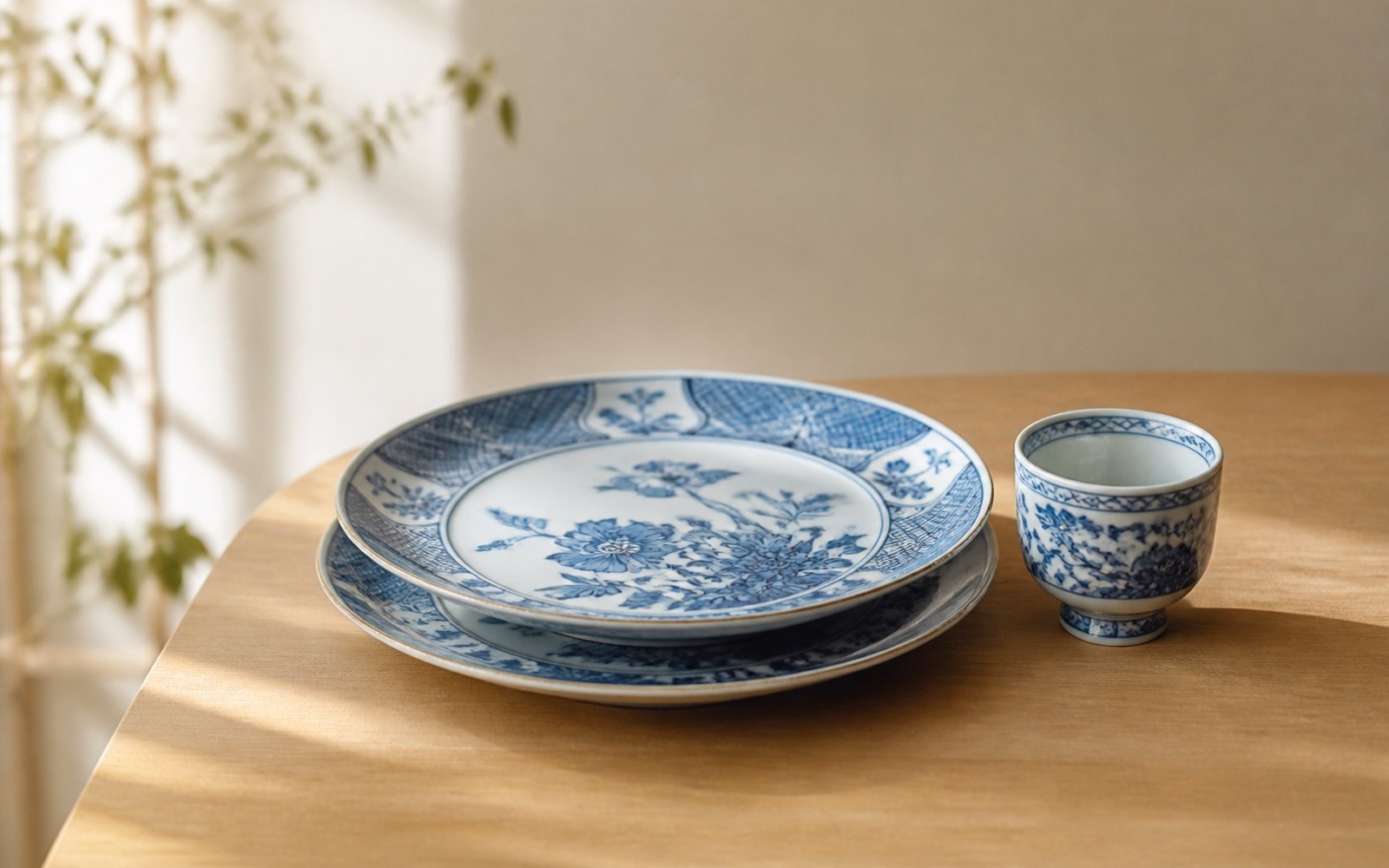
Arita ware (有田焼) is porcelain from the Arita area of Saga Prefecture, where Japan’s first porcelain was made. According to the Japan Tourism Agency’s multilingual commentary, porcelain stone was found in the Arita area in the 1610s. In 1616, a Korean potter known in Japan as Kanagae Sanbee is said to have found a large deposit at Izumiyama. Within a few decades, Arita porcelain was being shipped to Europe (Japan Tourism Agency, History of Arita ware, in Japanese).
I’m a designer based in Japan. What I like about Arita is that you can live with it: most of it is made to be used.
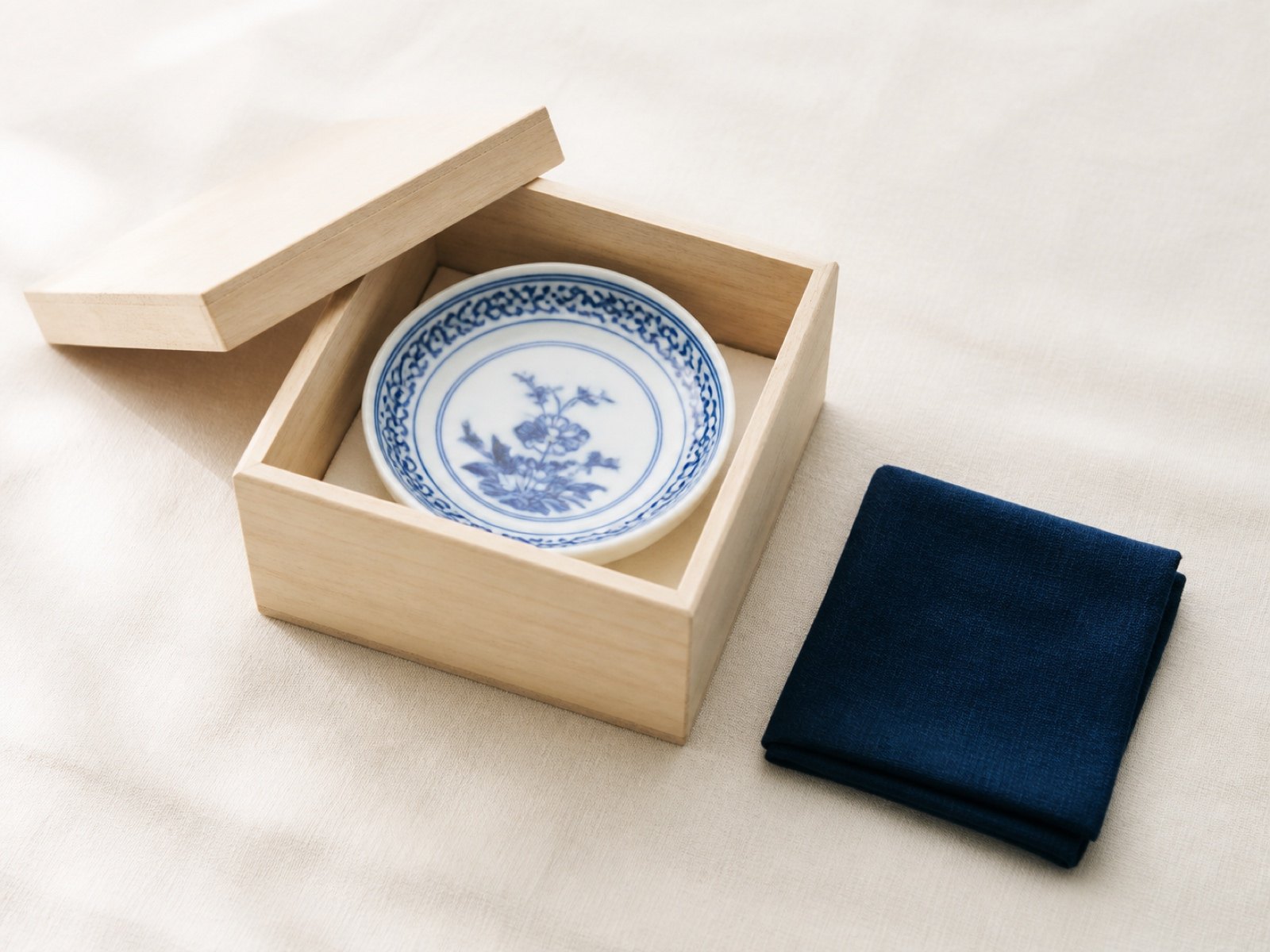
Note: photographs on this page are illustrative images of the craft. Product photos in each card come from the shop’s own listing.
The 1610s: the start of Japanese porcelain
Before Arita, potters in the region made Karatsu ware, a stoneware. The Japan Tourism Agency describes Karatsu as Kyushu’s oldest glazed pottery. Many of the potters were Korean, brought to the Hizen region (today’s Saga and Nagasaki) by local lords after Toyotomi Hideyoshi’s invasions of the Korean peninsula at the end of the 16th century.
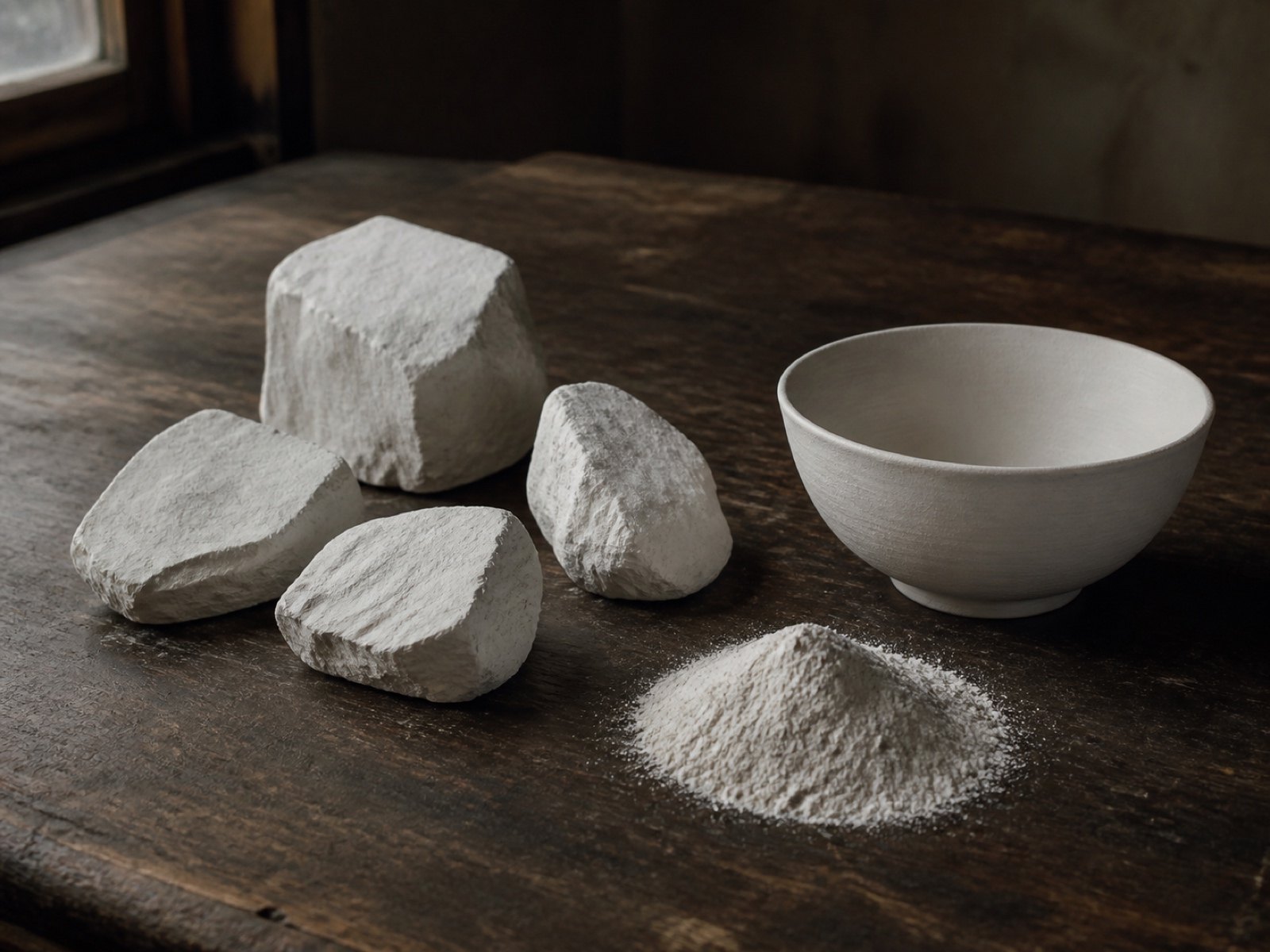
Porcelain needs a particular raw material. The commentary explains that porcelain stone, rich in quartz and sericite, was found in the Arita area in the 1610s. The hills also had plenty of wood for firing. In 1616, Kanagae Sanbee (also known as Ri Sampei, or Yi Sam-pyeong in Korean) is said to have found a deposit of porcelain stone at Izumiyama in eastern Arita and built a new kiln nearby. In 1637 the Saga domain concentrated porcelain production near Izumiyama. The quarry was designated a national historic site in 1980.
Timing mattered too. Around 1644, during the transition from the Ming to the Qing dynasty, Chinese porcelain exports stopped, and Dutch traders turned to Japanese porcelain. Kilns multiplied in the Arita hills. Exports grew in the late 17th century, including shapes Arita’s potters hadn’t made before, such as coffee pots, beer tankards and salt cellars. The Dutch East India Company formally ended its Arita exports in 1757, after Chinese exports had resumed.
Arita or Imari?
The porcelain was made around Arita and shipped from the port of Imari, so it became known as Imari ware. Today, the Japan Tourism Agency’s commentary explains, “Imari ware” usually means porcelain made in the Imari area itself, while Edo-period porcelain from Arita is often called Ko-Imari (“old Imari”).
So an antique described as “Imari” is usually Arita porcelain from the Edo period. A modern piece labelled Imari ware may well be from Imari. The listing or maker should say which.
The styles worth knowing
| Style | Look | Background |
|---|---|---|
| Sometsuke (染付) | Cobalt blue painted before firing, under a clear glaze | The style of early Arita ware |
| Kakiemon (柿右衛門) | Delicate painted overglaze designs that make use of the white ground | Overglaze enamels first appeared in Arita in the 1640s; the Kakiemon style influenced Meissen and other European makers |
| Kinrande (金襴手) | Rich color with gold | Popular with Europe’s upper classes in the early 18th century |
| Nabeshima (鍋島) | Refined designs made as official gifts | Made by the Saga domain for the shogun’s family and officials, not for ordinary sale |
Nabeshima is the one that surprises people. Imari City’s account of the Okawachiyama kiln site explains that the Saga domain made it as gifts for the shogun’s family and senior officials. It began in the 1650s at Iwayagochi in Arita and moved to Okawachiyama, in today’s Imari City, in the 1660s. The domain ran it for more than 210 years under strict control (Imari City, Okawachi Nabeshima kiln site, in Japanese). So, strictly, Nabeshima grew out of Arita’s techniques but was made mostly in Imari.
Kakiemon is the European connection. The Japan Tourism Agency’s commentary says the style’s overglaze colors and designs influenced European porcelain makers, including Meissen in Germany. Arita didn’t just export objects; it exported a way of decorating them.
What to ask before you buy
Listings don’t always tell you everything, so these are the questions worth answering first.
- Who made it? A kiln or maker’s name tells you what you’re buying and lets you look up its other work.
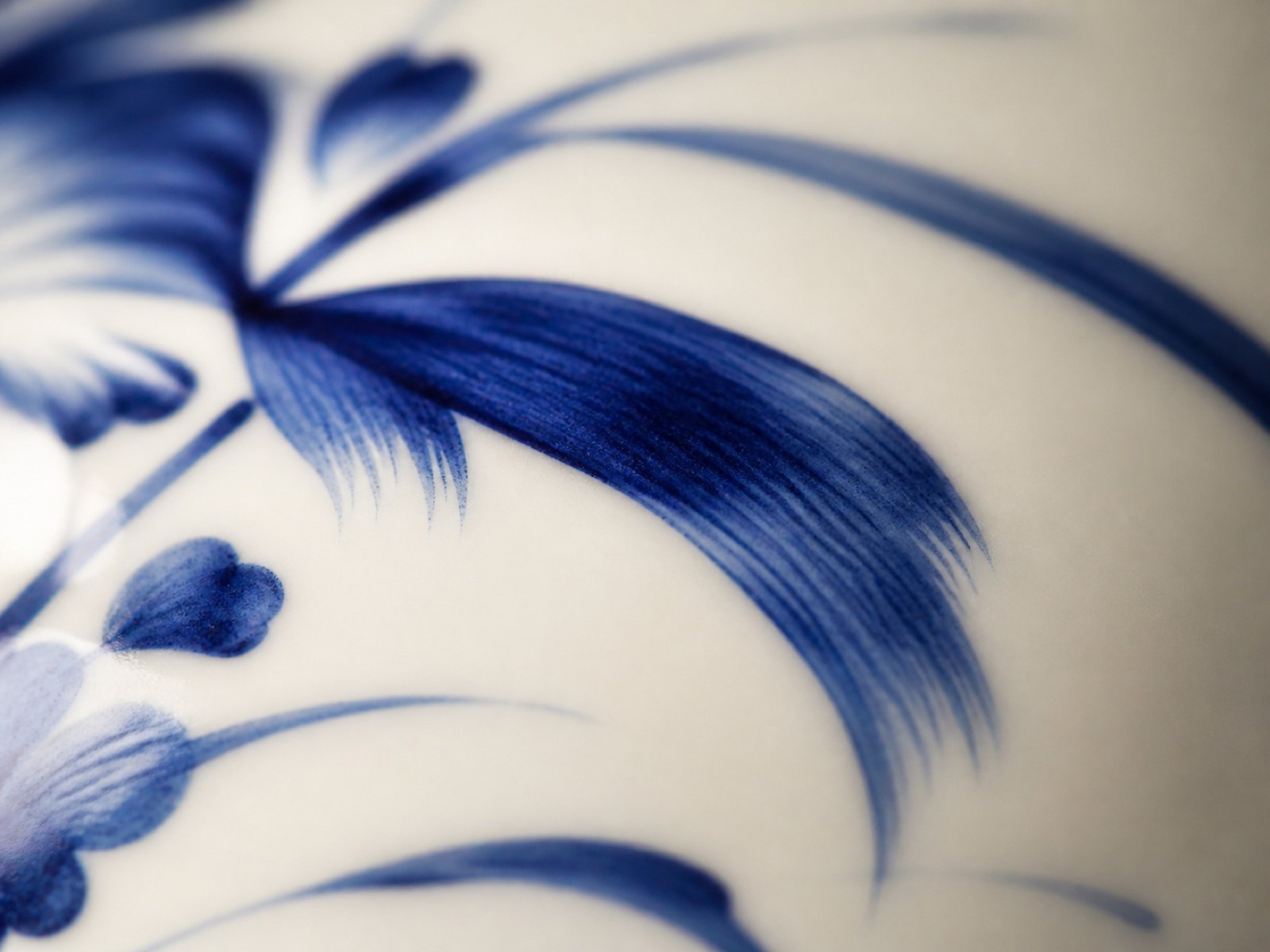
- Hand-painted or printed? Both are used on modern porcelain, and the price should reflect which it is. If the listing doesn’t say, ask.
- How should it be cared for? Look for the maker’s note on dishwashers and microwaves, especially for pieces with gold or silver decoration.
- What comes with it? A box or not, and whether the shop offers gift wrapping, are separate questions.
Where Arita shows up today
Arita is a working industry, and its porcelain turns up in unexpected objects. The Arita pieces available at the shop linked here, when checked, are two table clocks from the Japanese clock maker Rhythm with Arita porcelain frames.
The first is a small table clock with a hemp-leaf (asanoha) pattern in relief. The shop’s listing describes the white porcelain frame as made with Ikeda’s three-dimensional modeling technique. It’s 12.6 × 12 × 4.8cm with its stand, quartz with two hands (no second hand), and runs on one AA battery. The hemp-leaf pattern is traditionally associated with children growing up healthy, because hemp grows fast.
The second is a gold, arabesque-pattern clock that can stand on a table or hang on a wall. The listing gives it a 12cm diameter and 3.5cm depth, excluding the stand.
Prices are Discovery Japan Mall’s in yen on 13 September 2026, before shipping, and both were listed as in stock.
Living with Arita ware
- Follow the maker’s care note. Porcelain is fired hard, but decoration varies. Gold and silver decoration shouldn’t go in a microwave, and hand-washing is the safer choice for hand-painted or gilded pieces.
- Blue-and-white goes with most interiors. That’s part of why Arita is easy to give abroad: it doesn’t need a Japanese room to look right.
How to buy from Japan
Okurimono Japan doesn’t sell anything. “Check Price” takes you to the product page on Discovery Japan Mall, an independent Japanese retailer (not Rhythm’s own shop). You buy and pay there, and the shop handles shipping, returns and support.
- Duties and taxes. The shop’s Customs Duties page says they aren’t included and are collected on delivery.
- Returns. The shop’s Returns & Exchanges page accepts returns only for damaged, defective or incorrect items reported within 7 days of delivery, with photos. Open porcelain as soon as it arrives.
More on ordering from Japan is on How to Buy; for cut glass, see What is Edo Kiriko?
Sources
Checked 13 September 2026.
- Japan Tourism Agency, multilingual commentary database, History of Arita ware (Japanese): Karatsu ware, porcelain stone, Kanagae Sanbee and Izumiyama, the 1637 consolidation, overglaze enamels, exports through Imari, Kakiemon and Kinrande, the 1757 end of Dutch exports.
- Imari City, Okawachi Nabeshima kiln site (Japanese): Nabeshima ware.
- Discovery Japan Mall listings for the two Rhythm clocks: sizes, materials, price and stock.
Frequently asked questions
- What is Arita ware?
- Arita ware (有田焼, Arita-yaki) is porcelain from the Arita area of Saga Prefecture, on the island of Kyushu. According to the Japan Tourism Agency's multilingual commentary, porcelain stone was found in the Arita area in the 1610s, and the area went on to make Japan's first porcelain. Early Arita ware is known for blue-and-white decoration painted in cobalt under a clear glaze.
- What is the difference between Arita ware and Imari ware?
- In the Edo period, porcelain from the Arita area was shipped from the port of Imari, so it became known as Imari ware. The Japan Tourism Agency's commentary explains that today 'Imari ware' usually means porcelain made in the Imari area, while Edo-period porcelain from Arita is often called Ko-Imari ('old Imari').
- Who discovered the porcelain stone at Izumiyama?
- The Japan Tourism Agency's commentary says that in 1616 a Korean potter, Kanagae Sanbee (known as Ri Sampei, or Yi Sam-pyeong), is said to have found a deposit of porcelain stone at Izumiyama in eastern Arita and built a new kiln nearby. The Izumiyama quarry was designated a national historic site in 1980.
- What are the main styles to know?
- Sometsuke, cobalt blue painted under a clear glaze, is the early Arita style. Overglaze enamel porcelain appeared in the 1640s, and the Kakiemon style, with delicate painted designs that make use of the white ground, influenced European makers such as Meissen. Nabeshima ware was made by the Saga domain as gifts for the shogun's family and officials, at first in Arita and then at Okawachiyama in today's Imari City.
- Is Arita ware dishwasher and microwave safe?
- It depends on the piece. Check the maker's care note. Pieces with gold or silver decoration shouldn't go in a microwave, and hand-washing is the safer choice for hand-painted or gilded pieces.
- Does Arita ware make a good gift?
- It can, especially pieces that get used every day. Blue-and-white suits most interiors. The Arita pieces currently available at the shop linked here are two table clocks with Arita porcelain frames.