
Designer's Choice
Every guide and story on this site — watches, fishing tackle, knives, crafts and stationery — chosen and written by one designer in Japan. Not an algorithm; one person.
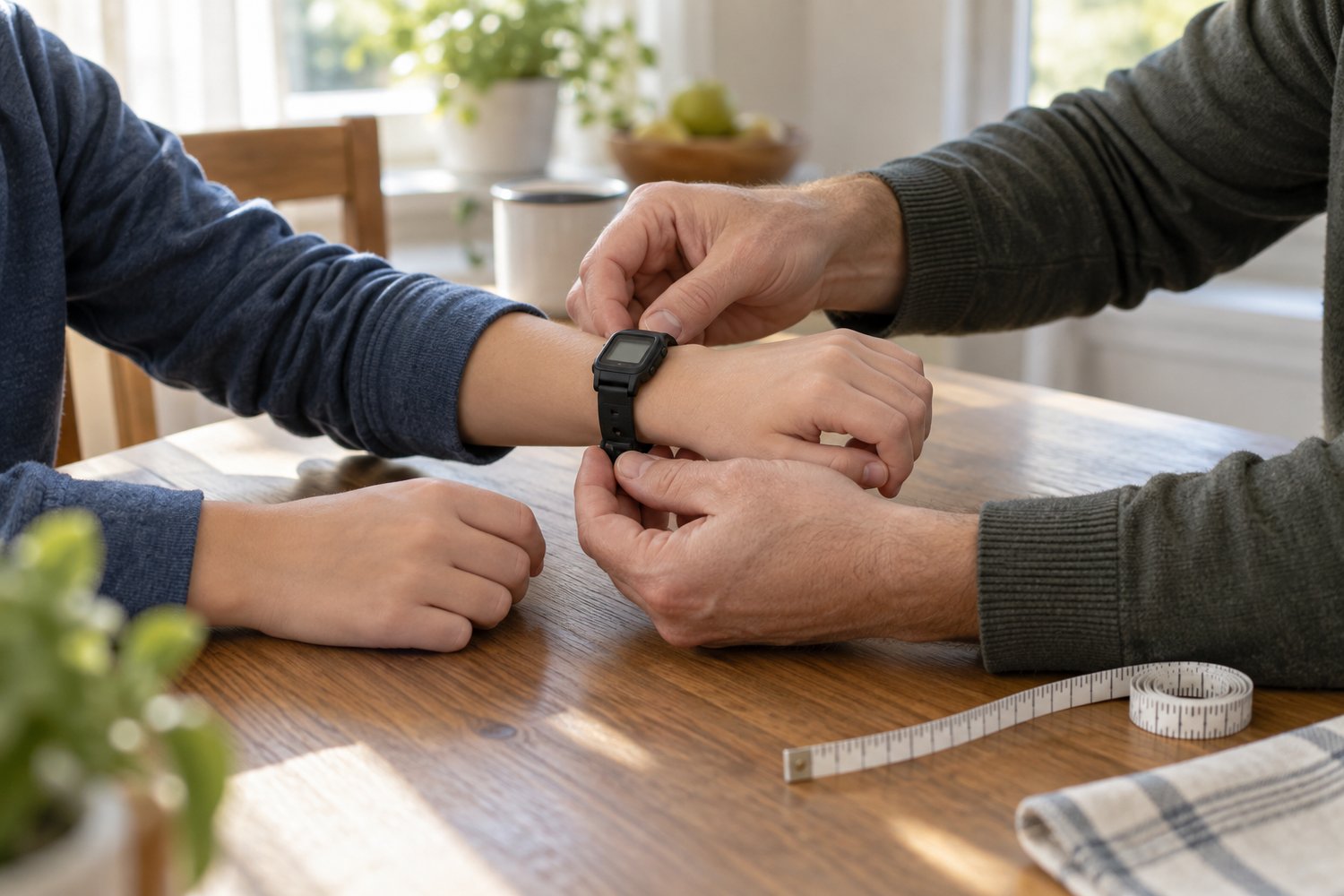
A Japanese Watch for Your 12-Year-Old Son's Birthday
A guide for parents choosing a first watch for a son turning 12: why wrist size matters more than case size, two light Casio digital watches — the F-91W and the BABY-G BGD-565U — with Casio's specifications, how to let him choose, what to try together on the day, and what to check before ordering from Japan.
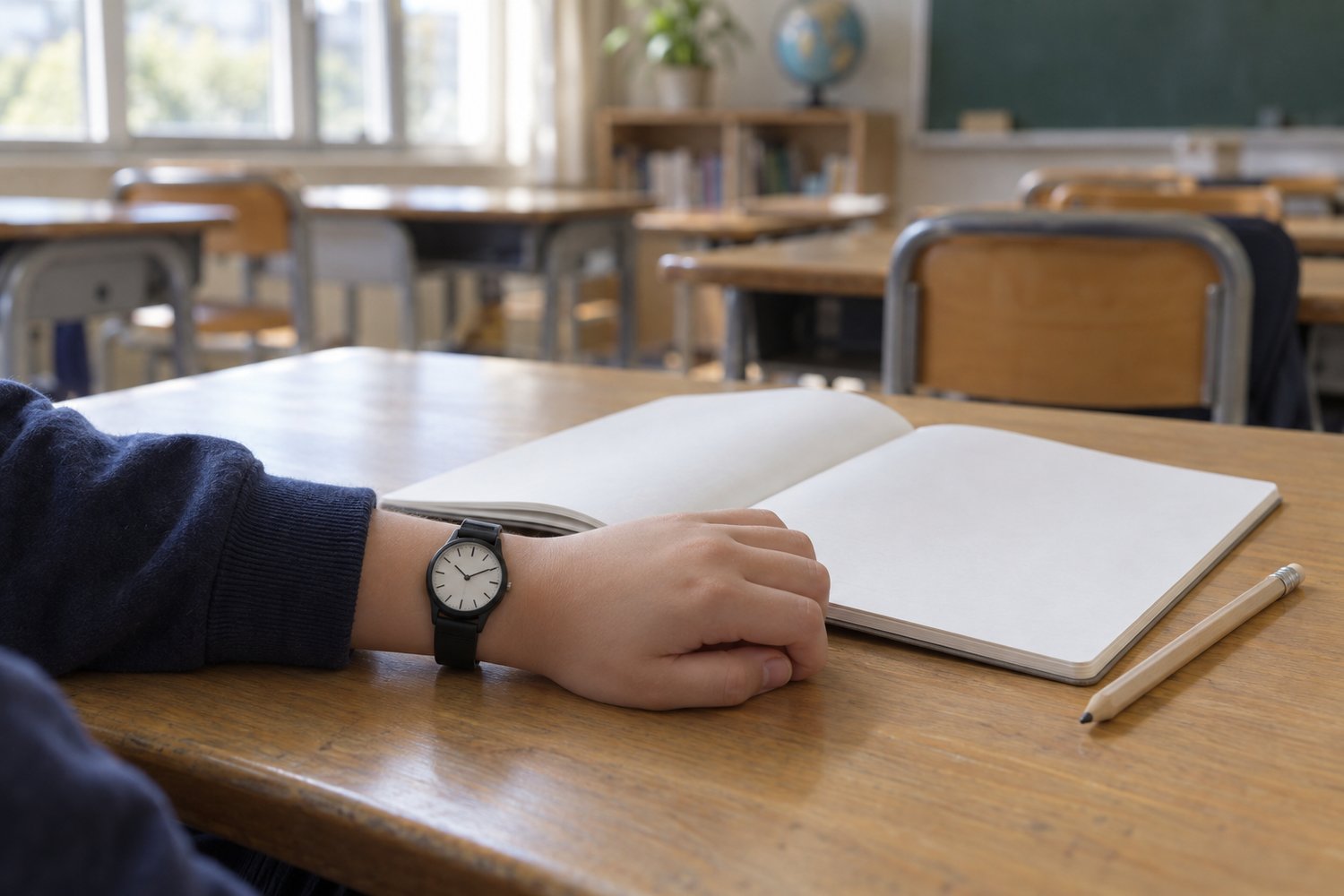
A Watch for a Phone-Free School Day: Japanese Watches for Kids
If your child's school restricts phones and internet-connected smartwatches, a simple watch is one way to keep track of time. Check the school's current policy first, then choose by readability, wrist fit and sound settings. Three Casio watches — an analog and two digitals — with what the manuals say about alarms, chimes and beeps.
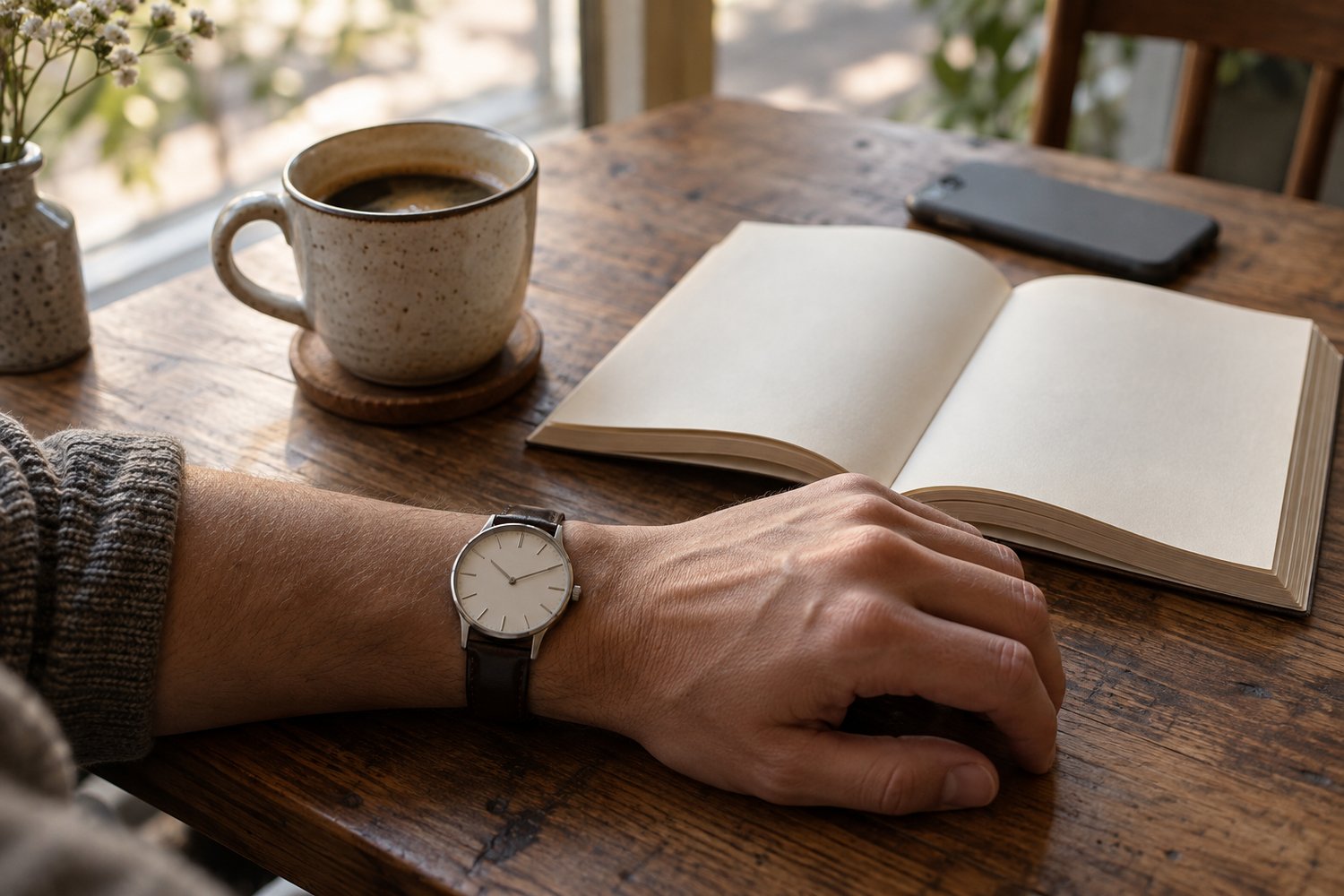
A Watch That Won't Interrupt You: A Japanese Gift for Someone Who Wants to Unplug
For a partner or friend who says they'd like a day off without their phone: a watch that tells the time and nothing else. What to check besides 'no notifications', three Japanese-brand watches with no phone connection — a Casio digital, a Citizen solar analog and an Orient mechanical — and how to give one to someone who already wears a smartwatch.
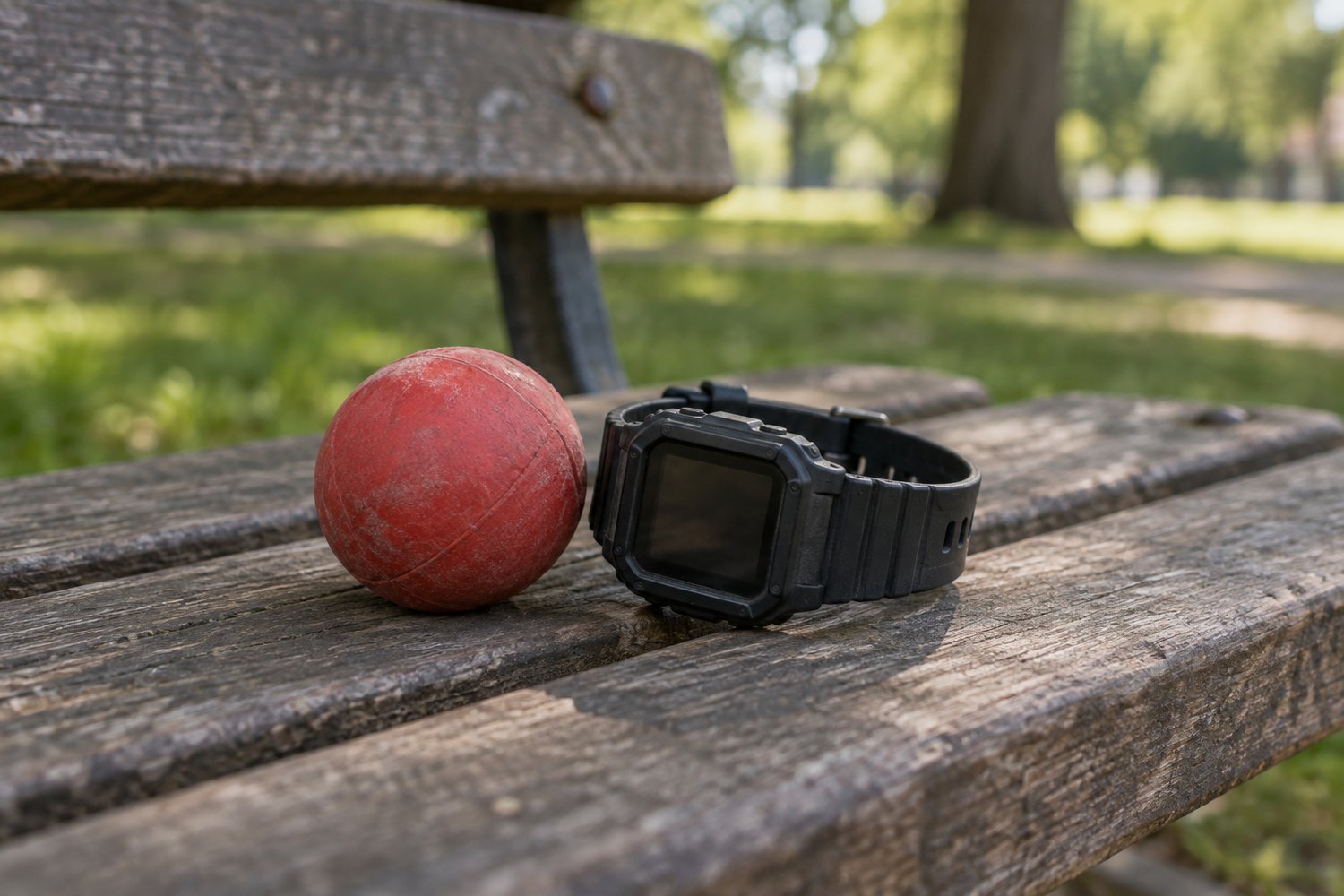
G-SHOCK Began With a Broken Gift: How a Japanese Watch Won Over America
How a Casio engineer's broken watch led to the first G-SHOCK in 1983, how the shock-resistant structure works, and how the watch found its first real following in the United States — among people who worked in tough conditions, then skaters and snowboarders — before coming back to Japan. Based on Casio's own accounts, with sources.
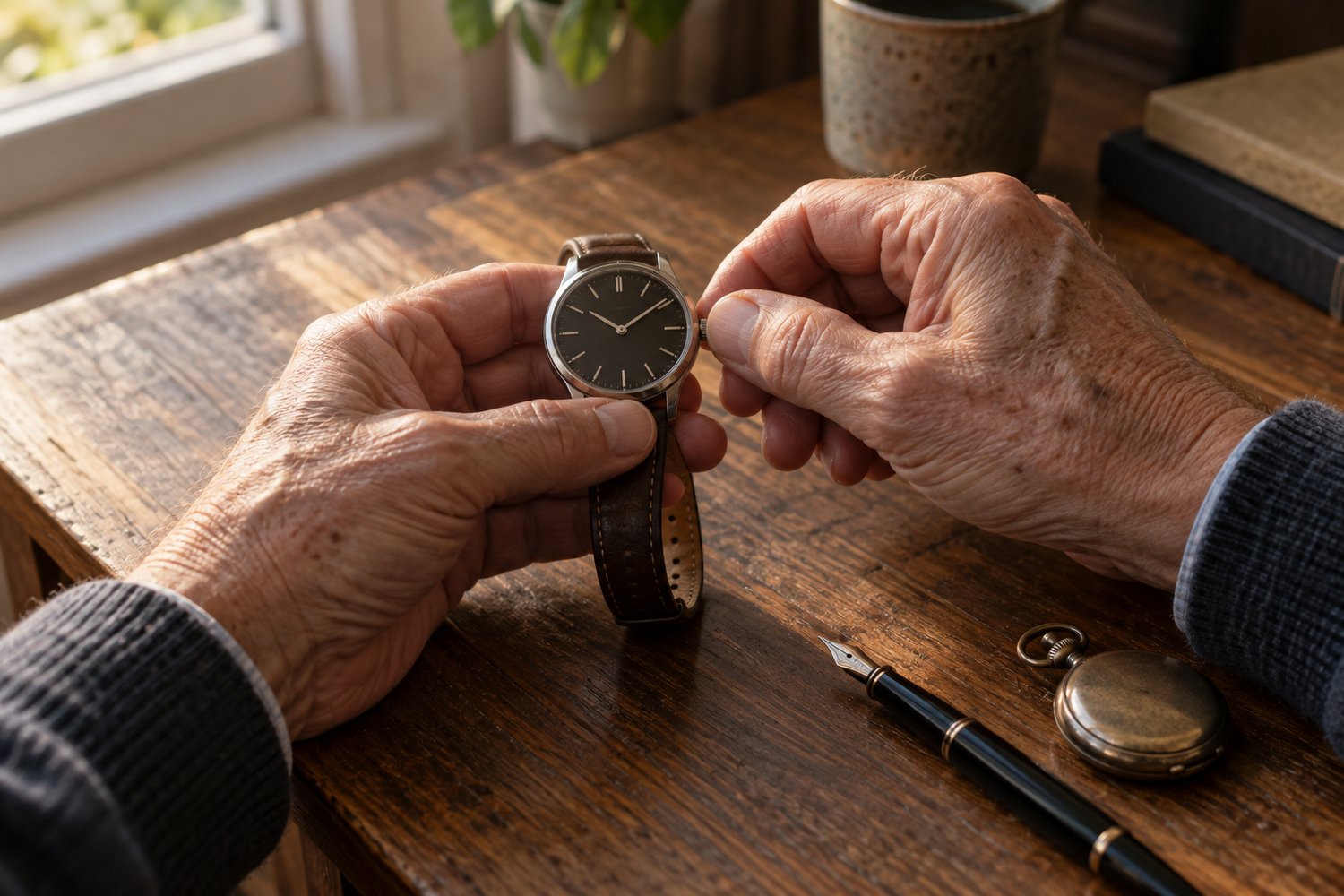
How Seiko Changed the Standard for What a Watch Could Be
From a watch shop in 1880s Tokyo to the first quartz wristwatch sold to the public in 1969, the deep-sea diver's letter that led to a 600m watch, and Spring Drive. A short history of Seiko built on its own museum records and IEEE's, and two current watches that connect to it: the Presage SART011 and the Prospex SBDC205.

A Japanese BFS Reel for the Husband Who Keeps Watching Bait Finesse Videos
He already fishes a baitcaster, and lately his feed is all tiny crankbaits and bait-finesse casts. Before you give him a BFS reel, check four things: his rod, his lure weights, his line and which hand he winds with. The Shimano 22 Aldebaran BFS with Shimano's own specifications, what it needs to work, and how to order from Japan.
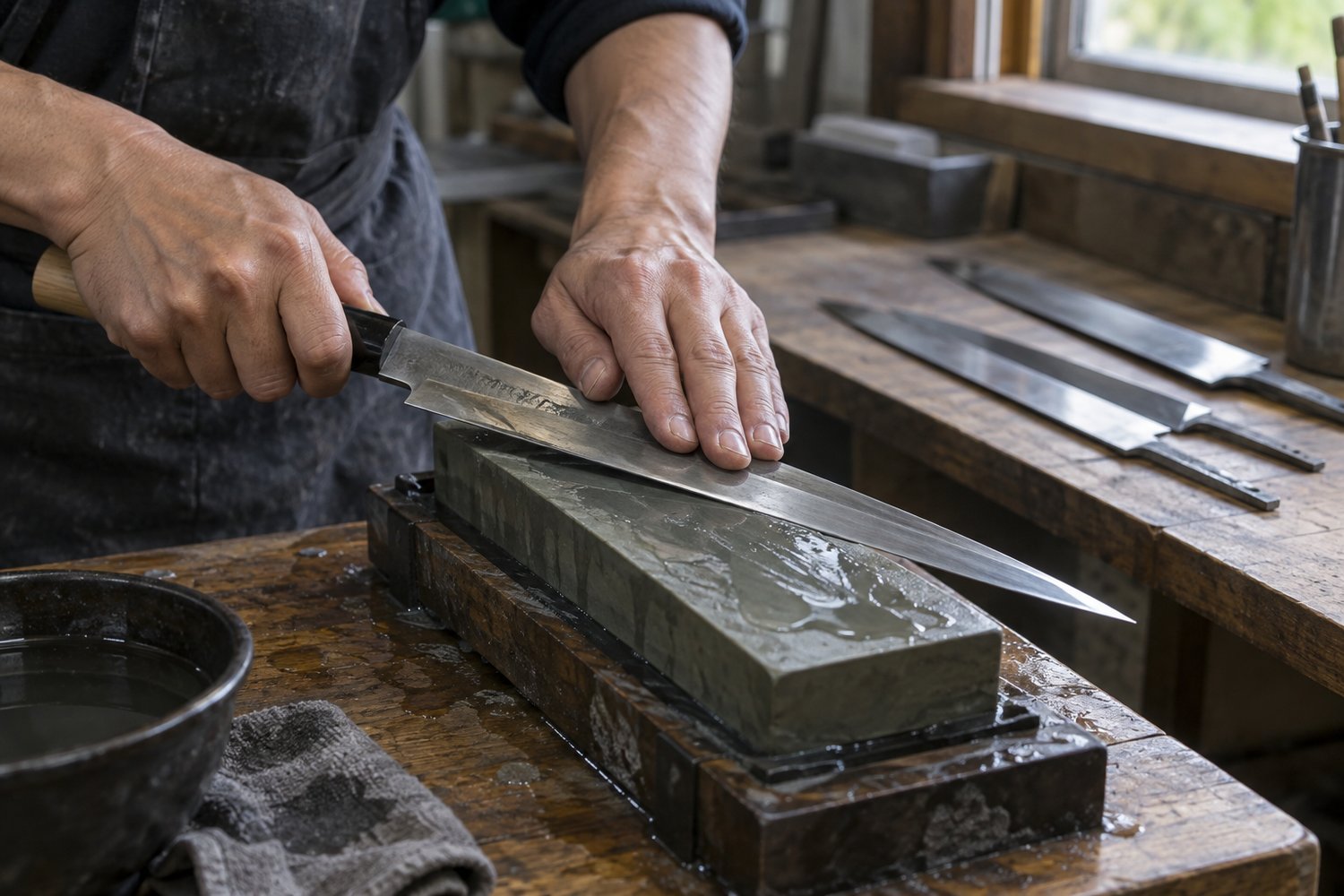
How Tobacco Knives Helped Build Sakai's Kitchen Knife Tradition
Sakai, the city south of Osaka, is known for the single-edged knives Japanese chefs use. Part of that story runs through tobacco: the knives made to shred its leaves in the late 16th century. A short history of Sakai knifemaking from municipal and craft-body sources — tobacco knives, the shogunate's Sakai Kiwame mark, and a town that splits each knife between specialists — and one Sakai-made yanagiba you can give today.
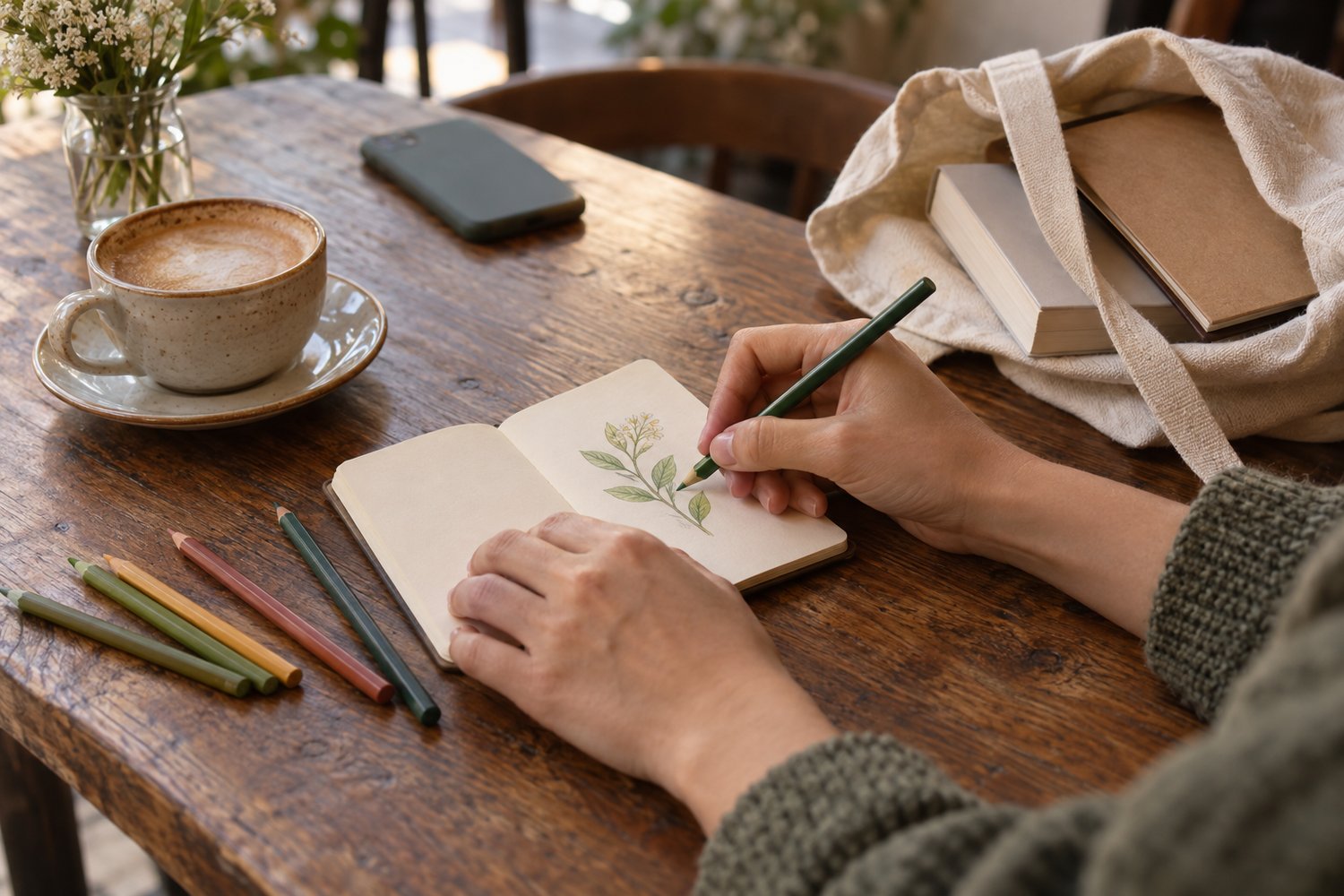
Japanese Colored Pencils for the Sister Building an Analog Bag
Your sister has started sketching in cafés and keeping a paper journal instead of scrolling while she waits. A gift for the small bag she carries: Holbein's 24-color artists' pencil set, what it needs alongside it, why pencils suit short sessions away from a desk, and what to check before ordering from Japan.
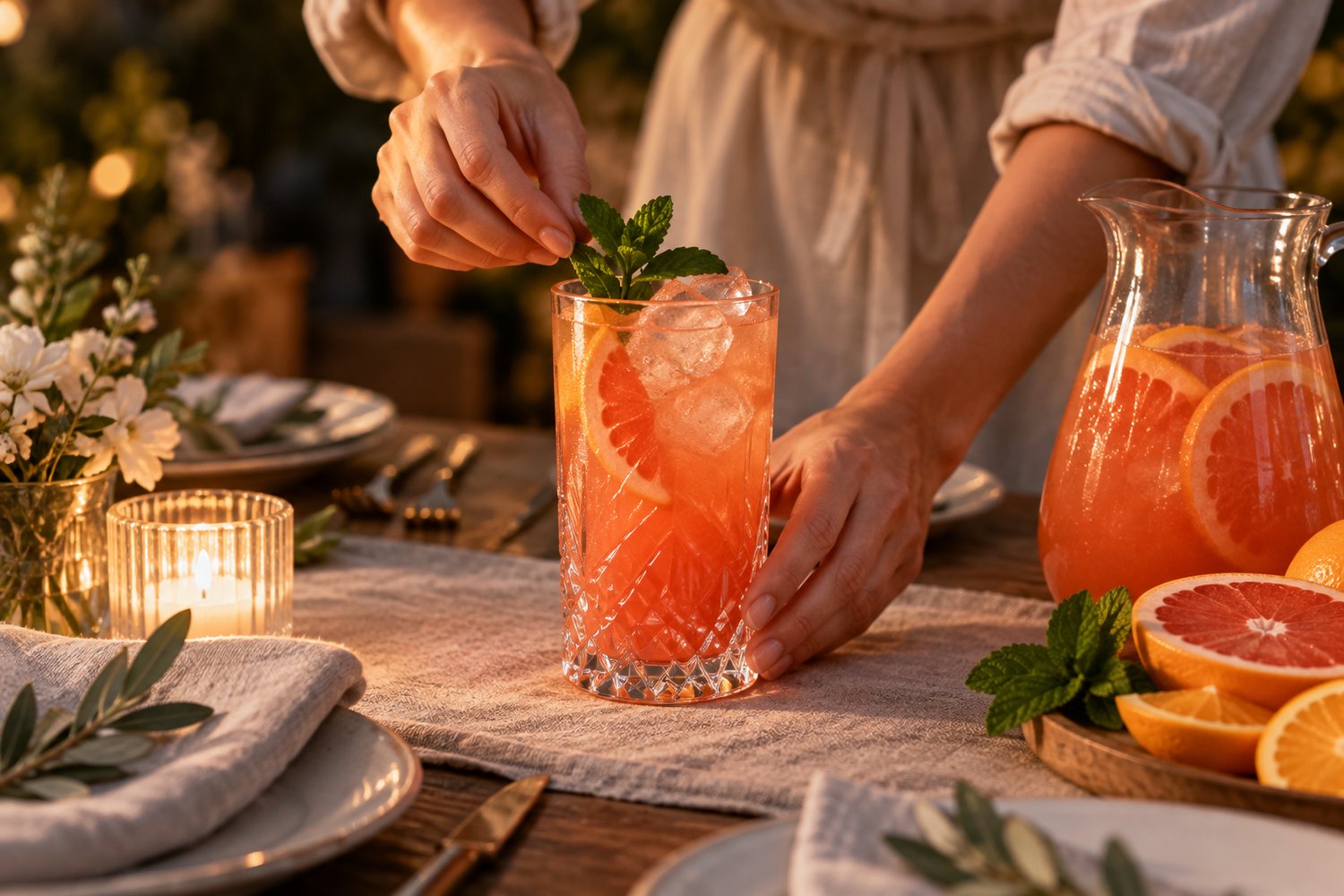
A Japanese Glass for the Friend Who Loves Hosting Mocktail Nights
Invited to dinner by a friend who now makes mocktails for their guests? Instead of a bottle, bring a glass. Two Kagami crystal tumblers with room for ice, soda and a garnish — a 390ml Azekura and a 300ml tumbler in a wooden box — what Kagami says about each, and what to check before ordering from Japan.
A Japanese Nakiri for the Partner Who Loves Their CSA Box
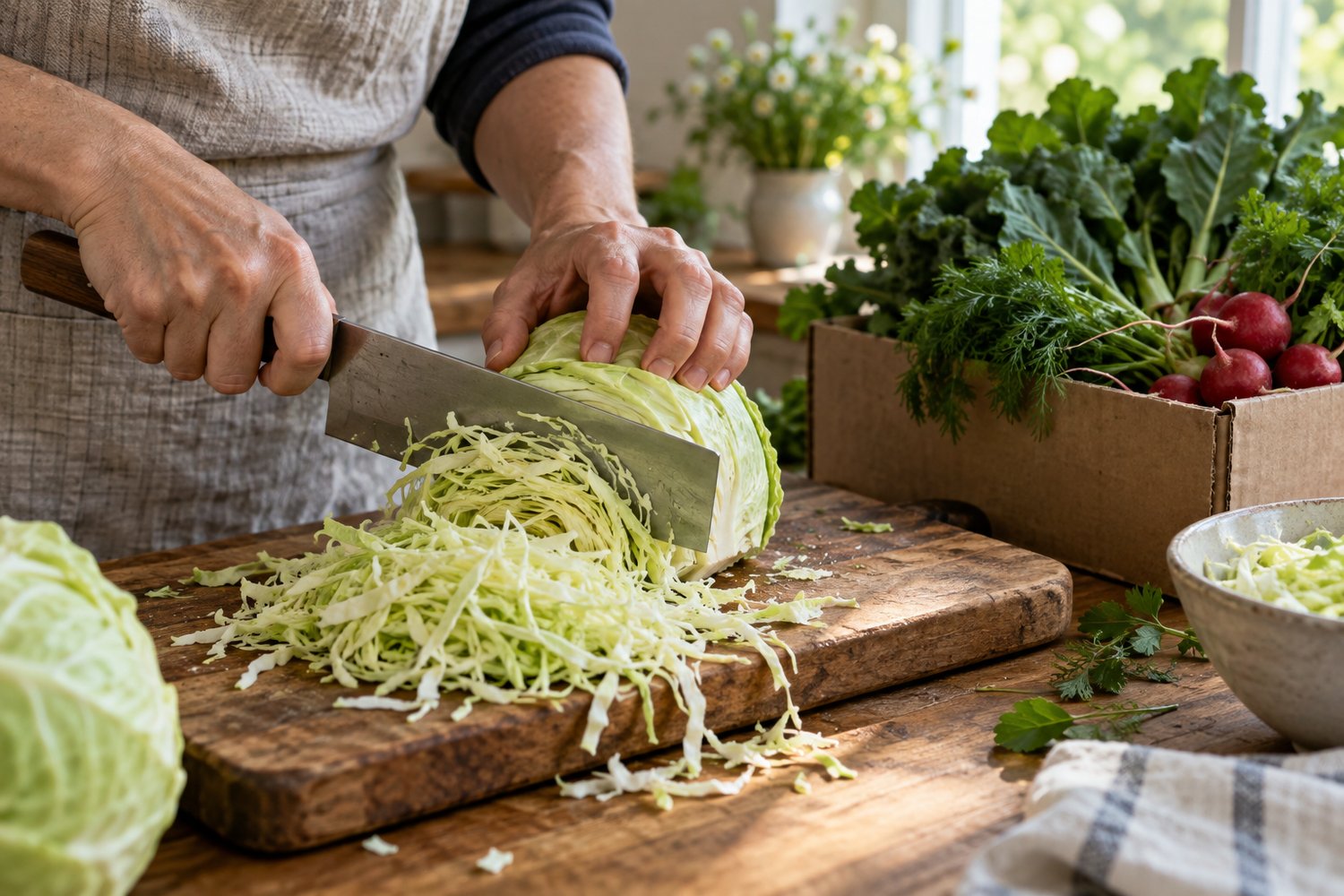
For the partner who picks up a farm share every week and spends Sunday turning cabbage, greens and herbs into the week's meals: why a Japanese nakiri, the flat-edged vegetable knife, makes sense as a second knife next to their chef's knife or santoku. One knife from Hocho Knife with its specifications, what it isn't for, and how to order from Japan.
From Germany to Japan's Diplomatic Tables: The Story of Kagami Crystal
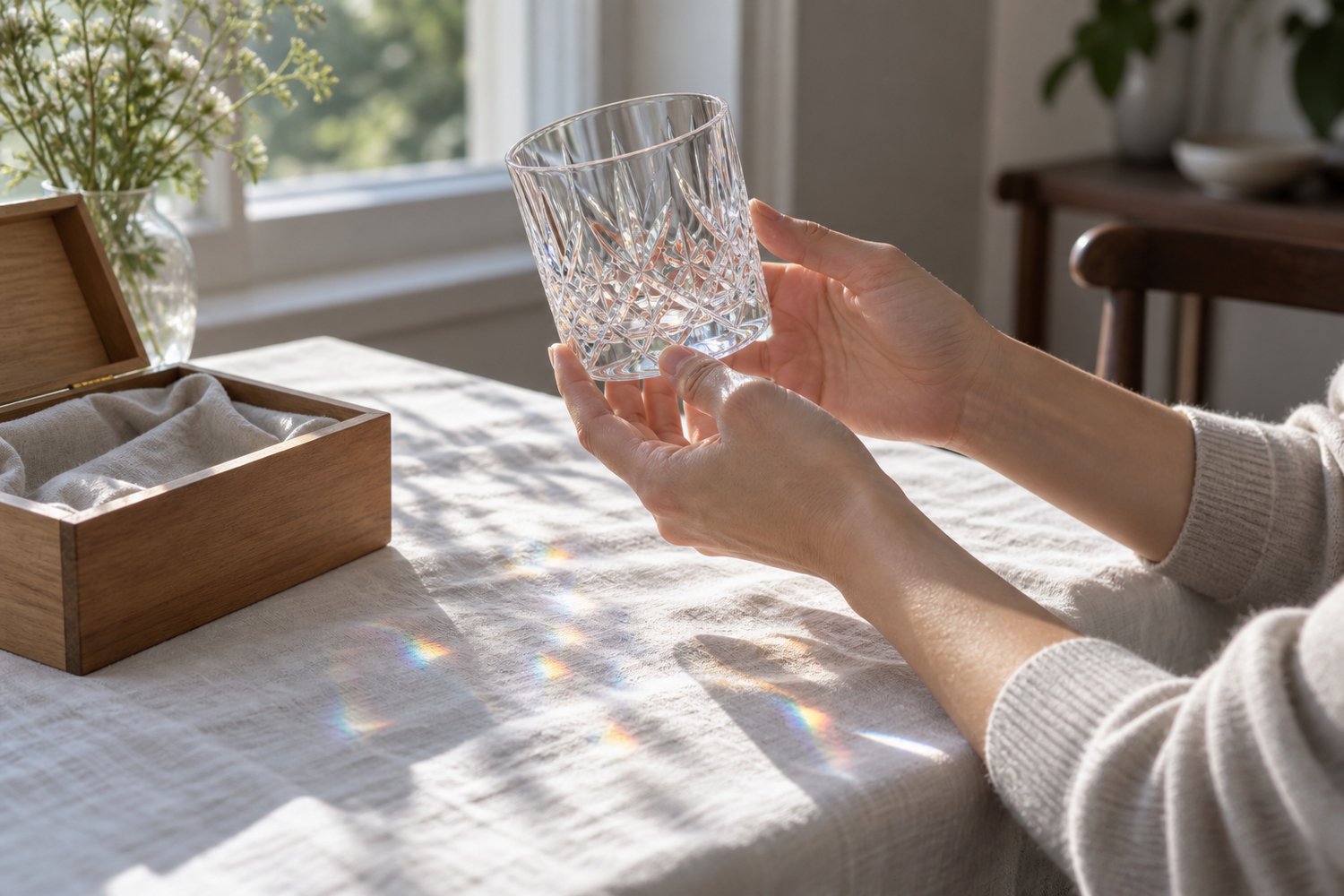
In 1927 a Japanese ceramics engineer went to Germany to learn to engrave crystal. Kozo Kagami came home, opened a studio, then a crystal factory, and his company went on to supply glassware for Japan's missions abroad. A short history from Kagami's own records and an independent obituary, the difference between engraving and kiriko cutting, and two Kagami pieces you can give today.
Why Shimano Makes Both Bike Components and Fishing Reels
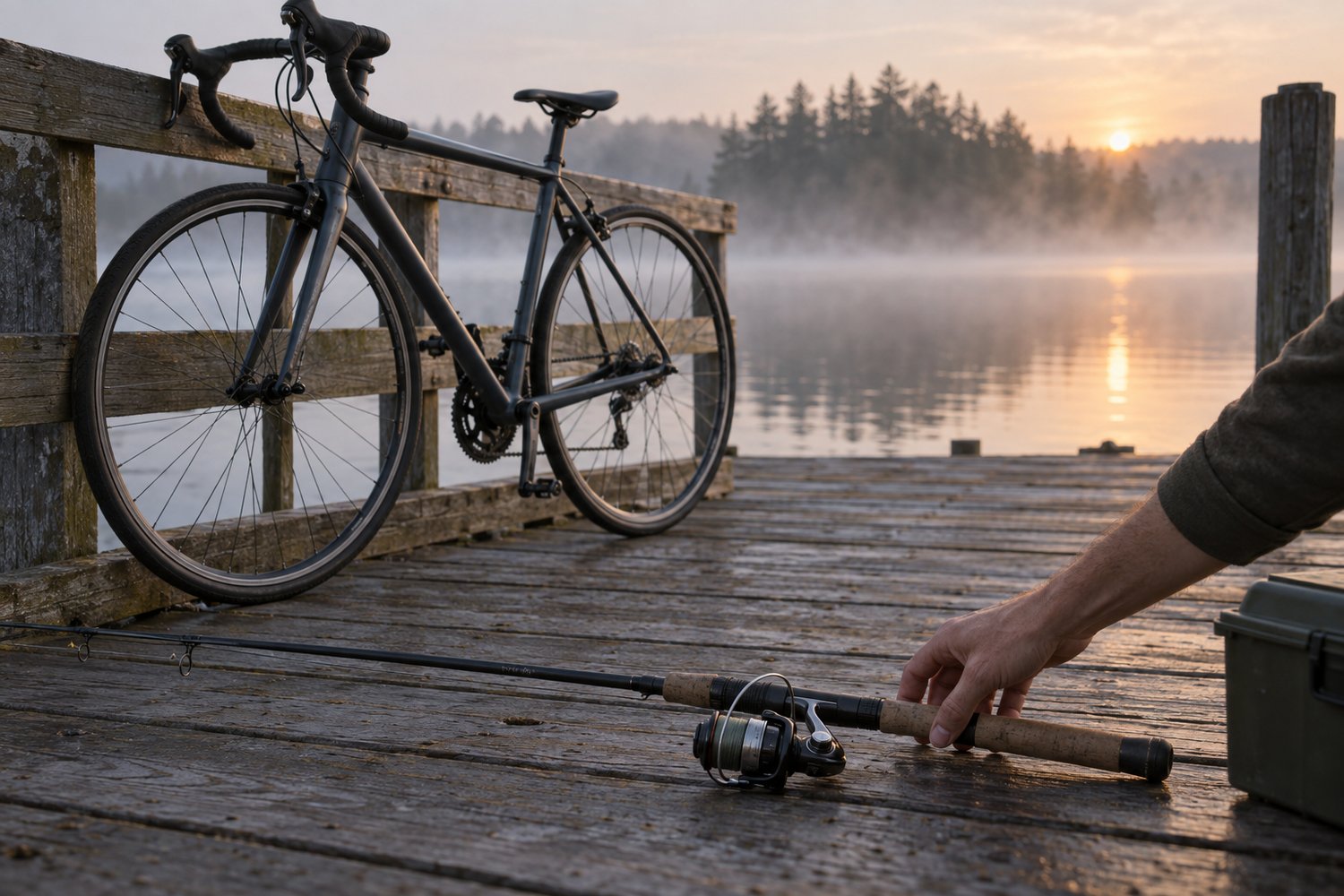
To most cyclists Shimano means gears; to most anglers it means reels. It's the same company. A short history from Shimano's own records: a one-lathe ironworks in 1921, bicycle freewheels, a fishing division in 1970, the first DUX reels, and the Stella — and what the bike side actually carried over. Plus two Shimano reels to give, chosen by how the person fishes.