Hosting a Sushi Night at Home: What Knife Do You Actually Need?
 By Kotaro·Updated Sep 26, 2026·13 min read
This guide contains affiliate links: if you buy through one, the shop may pay me a small commission at no extra cost to you. How I choose and how I earn
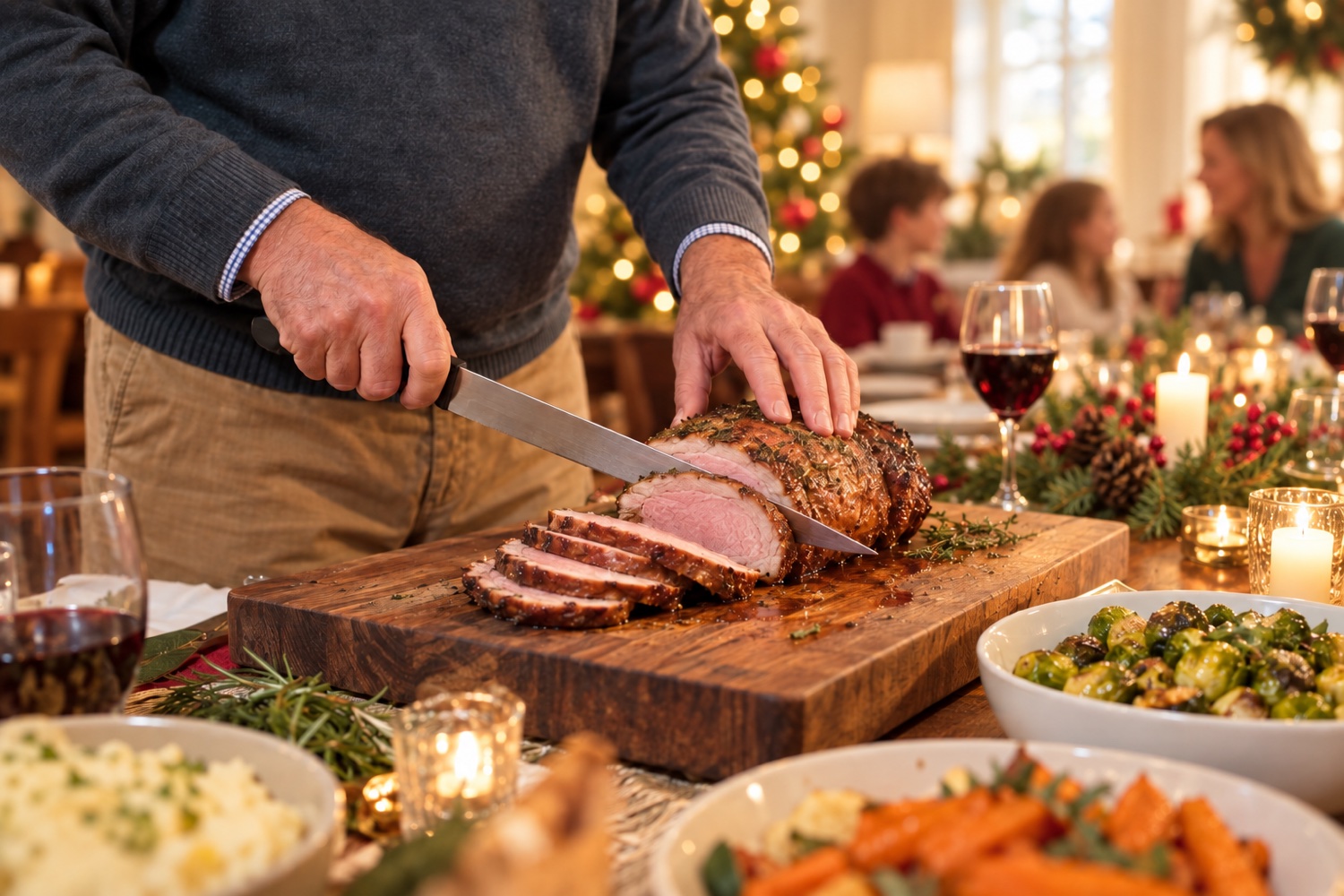
Hand rolls, maki or a sashimi platter? The knife you need depends on the menu, and you may already own it. How to cut rolls and fish cleanly, when a gyuto, a sujihiki or a yanagiba is worth adding, three Japanese knives from Hocho Knife with their specifications, how to set up the counter on the night, and a short note on serving raw fish safely.
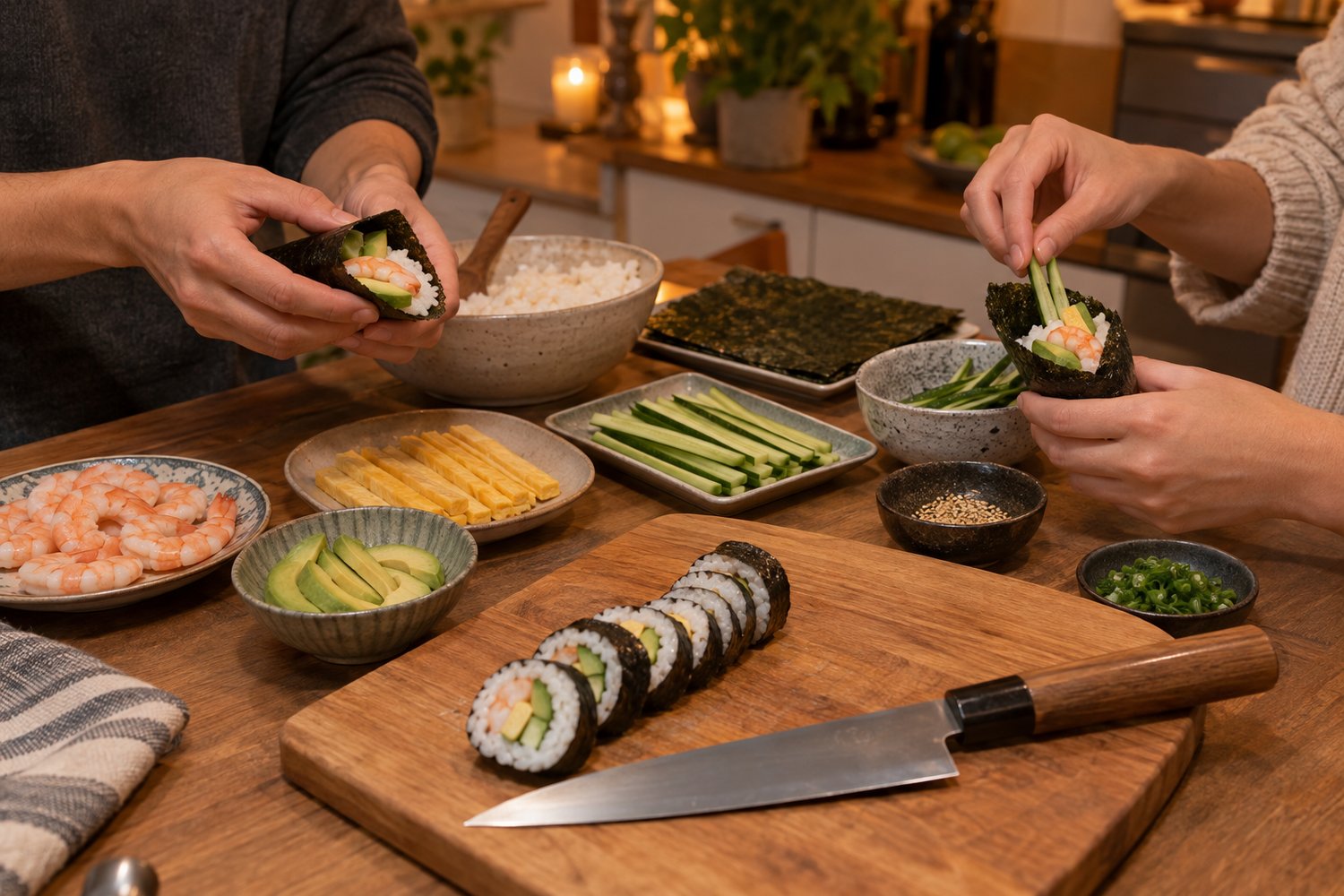
A sushi night is one of the best kinds of dinner party, because everyone gets to make something. A plate of cucumber, avocado and omelet strips goes down next to a bowl of rice and a stack of nori. Someone gets ambitious with an inside-out roll. Someone else just wants tuna and rice in a hand roll, and that’s fine too.
The knife doesn’t do the fun part, but it does decide how the plate looks. A sharp knife that suits the job helps you cut fish cleanly instead of tearing it, and turns a finished roll into neat rounds instead of flattened ones. MUSASHI JAPAN, a Tokyo knife retailer, puts it plainly: dull or unsuitable knives can crush the delicate texture of fish, and that affects both how it tastes and how it looks (MUSASHI, knives for sushi and sashimi). With a keen edge and a long, smooth stroke, slices keep their shape and an even thickness, and the platter comes out closer to the one you pictured.
That doesn’t mean you need a drawer of specialist knives. This page starts from the menu. Work out what you’re actually going to make, see what your current knife can already do, and add a Japanese knife only where it changes something. I’m a designer in Japan, not a sushi chef, and I haven’t used the knives below. What follows is what the makers and knife shops say, and what to check before you buy.
What you’re making decides the knife
| On the menu | What the knife does | What fits |
|---|---|---|
| Hand rolls (temaki) | Cutting vegetables, omelet and fillings into strips. Guests do the rolling. | A sharp chef’s knife or santoku you already own |
| Rolls (maki) | Cutting fillings into long strips, then slicing the finished roll into pieces | The same knife; MUSASHI names the gyuto (chef’s knife) as one that can slice sushi rolls |
| Nigiri and a sashimi platter | Slicing a block of raw fish into even pieces | A yanagiba, the traditional sashimi knife, or a long double-edged sujihiki |
| Starting from a whole fish | Taking the fish apart into fillets, before any slicing | A deba, a separate knife and a separate skill |
For many home sushi nights, the first two rows are the whole menu. MUSASHI’s guide to sushi knives groups the tools the same way: a yanagiba for slicing raw fish, a deba for breaking down whole fish, and vegetable knives for garnishes and roll ingredients. Korin, the New York knife shop, lists the yanagi, deba and usuba as the core of a traditional Japanese collection. It describes the yanagi as used in “a long drawing motion” for sashimi (Korin, Japanese knife FAQ).
The last row matters because it’s the one most often mixed up. A deba is thick and heavy so it can cut through fish bones. It’s the knife for filleting, not for slicing neat pieces of sashimi. If you’re buying whole fish, see the deba and yanagiba set for the angler who cleans their own catch.
Can you start with the knife you already have?
Very likely, yes, as long as it’s sharp.
- Hand rolls and maki. A sharp chef’s knife or santoku does all of it: julienned cucumber, avocado slices, omelet strips, and cutting the finished rolls. MUSASHI says a gyuto can be used to slice sushi rolls into pieces, and describes it elsewhere as good for slicing fish for sushi and sashimi too (MUSASHI, push cut vs pull cut).
- Cutting a roll cleanly. Kikkoman’s maki recipes give the method: wipe a sharp knife with a damp cloth, cut the roll in half, then keep cutting, wiping the knife between cuts (Kikkoman, hoso-maki recipe). The damp blade keeps rice from sticking and dragging.
- Slicing fish. MUSASHI’s technique guide describes a pull cut for raw fish. You start with the heel of the blade on the fish and draw the knife toward you in one long stroke, finishing at the tip. It says pulling helps minimize damage to soft foods like fish.
When buying a knife does make a difference:
- Your knife is dull, and sharpening hasn’t happened in years. The biggest improvement is an edge, not a new shape. Sharpening what you have is the first step; a new knife is a way to start with a good edge.
- You slice fish often, and your knife is short or tall. A long, narrow blade lets one stroke do the whole slice. It also has less blade touching the fish, so the slice sticks less. Korin describes the sujihiki’s short blade height as creating less friction when slicing (Korin, sujihiki).
- You want to learn the traditional way. A yanagiba is a single-bevel knife: ground on one side, with a slightly hollow back. That’s part of the craft, and part of the commitment.
If none of those apply, skip the purchase and spend the money on better fish.
If you add a Japanese knife: three roles
- A gyuto or santoku for the prep. This is the all-rounder: vegetables, omelet, fillings, cooked shrimp, and slicing the rolls. A gyuto’s longer blade suits slicing rolls in one stroke. A santoku is shorter and a little easier on a small board; see the weekend cook’s santoku, and to choose between the two as a gift, santoku or gyuto as a gift.
- A yanagiba for slicing fish. The traditional sashimi knife. It’s single-bevel, so it comes in right- or left-handed versions, and it’s sharpened differently from your other knives. Korin’s advice for a first yanagi is to start with a maintenance-friendly one, and it names a stain-resistant ginsan (Silver Steel #3) yanagi as one good choice.
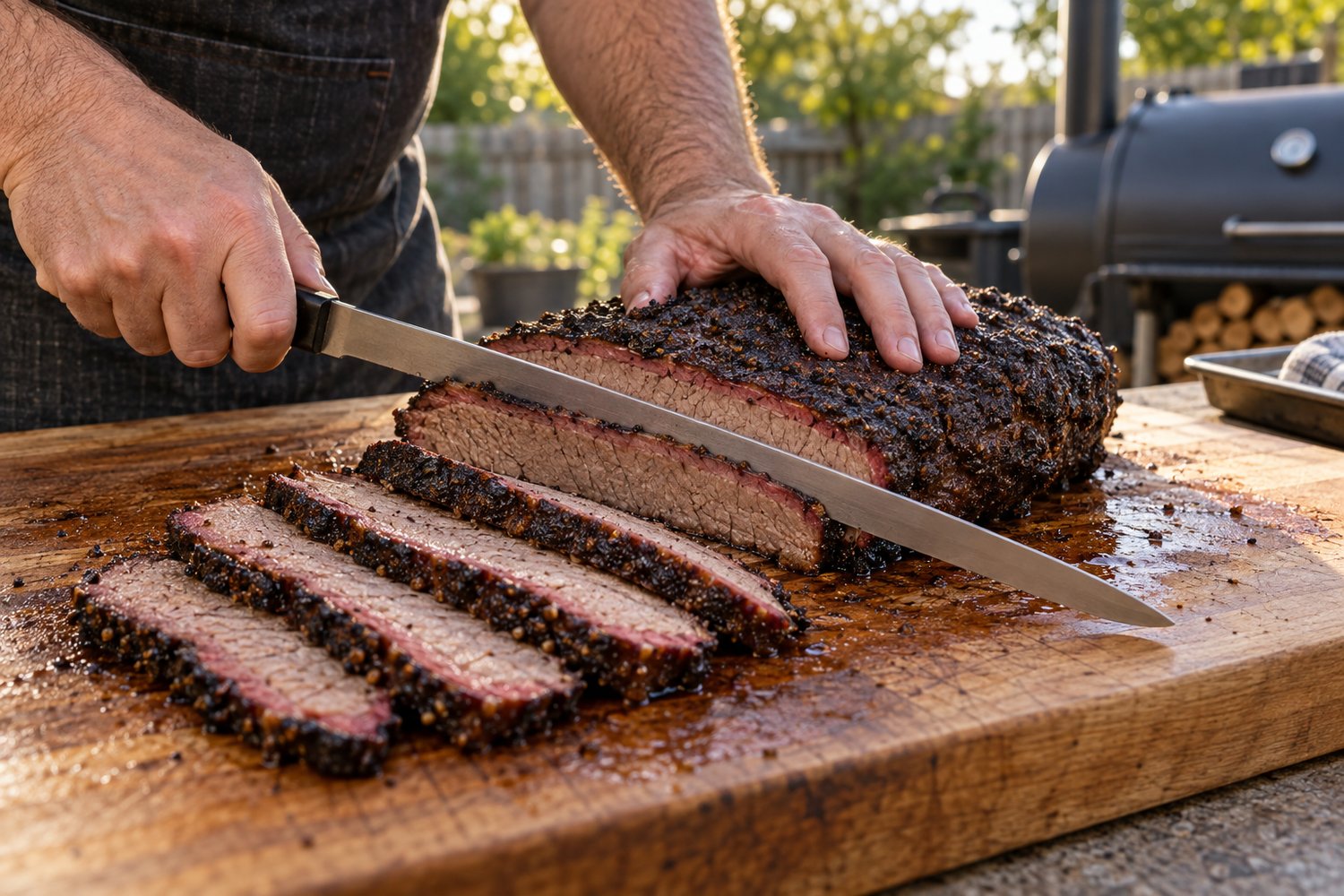
- A sujihiki, if it suits you better. A long, narrow slicer with a double-edged grind. Korin calls it the Western-style equivalent of the yanagi. It’s not the same knife. It’s sharpened on both sides, works in either hand, and slices a roast as happily as a block of salmon. For a host who’s left-handed, or who wants one slicer for fish and meat, it’s often the more practical choice.
Check the board and the counter, not just the blade. Blade length is the cutting edge only. The double-edged knives below are 33–36cm (about 13–14 in) from tip to handle end. Put a tape measure on your cutting board and the counter in front of it. You want room to draw the whole blade through the fish without the handle hitting the wall, or the tip running off the board.
Three knives from Hocho Knife
All three are sold by Hocho Knife, an online knife shop that ships from Japan. Specifications are from Hocho Knife’s product pages. Prices are the shop’s US dollar prices on 26 September 2026, before shipping. All three were listed as in stock, and prices and stock change.
For the prep and the rolls: Kanetsune KC-170 AUS10 Stainless Gyuto, 210mm
Who it suits. The host who does all the prep: a hand-roll night for friends, a maki session with the kids, a partner who ends up slicing everything while everyone else rolls.
Why this one. It’s a double-edged chef’s knife, the type MUSASHI JAPAN names for slicing sushi rolls. At 210mm it’s long enough to cut a roll in one stroke, and a gyuto’s pointed tip helps with targeted cuts and with slicing meat and fish. The blade is AUS10, a stainless steel, which makes it an easy knife to live with for everyday cooking. It’s made in Seki by Kanetsune.
Compared with the knife you have. If your current chef’s knife is dull or thick, expect cleaner cuts through soft fillings and rolls. If you already own a sharp 8-inch chef’s knife, this is a similar tool, and you may not need it.
Hocho Knife’s specifications. AUS-10 stainless, HRC 60–62; double-edged (either hand); blade 210mm (8.3 in); overall 330mm (13 in); black laminated-wood handle with a stainless bolster. Made in Japan. The page doesn’t list a weight. Price $110.99.
Know before you buy. Not for bones or frozen food, and don’t twist the blade. A blade guard or sheath is sold separately.
For slicing fish in either hand: Sakai Takayuki TUS Steel Sujihiki, 240mm
Who it suits. A host who wants to slice fish for nigiri and a sashimi platter without learning a single-bevel knife. Also a left-handed host, or someone who’d use a long slicer for roasts the rest of the year.
Why this one. A sujihiki is a slicer for boneless proteins, fish included. Its length lets you slice in one long stroke instead of sawing, and its narrow blade keeps it from sticking. It’s double-edged, so it works in either hand. TUS is a high-carbon stainless steel, and at 240mm this is a manageable length for a home board. It’s made in Sakai by Aoki Hamono under its Sakai Takayuki name, and it’s the least expensive knife on this page.
Compared with the knife you have. Next to a chef’s knife, it’s longer and much narrower. That’s what helps with even slices from a block of fish. It won’t replace a chef’s knife for chopping.
Hocho Knife’s specifications. TUS high-carbon stainless steel; blade spine about 1.7mm; double-edged (either hand); blade 240mm (9.4 in); overall 360mm (14.2 in); 140g (4.9 oz); laminated-wood handle. Made in Japan. Price $92.99.
Know before you buy. It’s a slicer, not a prep knife. Use it for boneless fish and meat. Sheath sold separately.
For the traditional slice: Sakai Jikko Tanren Ginsan Yanagiba, 210mm
Who it suits. A right-handed host who already enjoys making nigiri and sashimi, and wants the traditional knife for it. It’s for someone who will enjoy learning to sharpen it.
Why this one. It follows Korin’s advice for a first yanagi: a stain-resistant ginsan (Silver No.3) blade. Ginsan is a stainless steel used for traditional single-bevel knives, so it forgives a little more than a carbon-steel blade. It’s made in Sakai by Sakai Jikko. At 210mm it’s short for a yanagiba — the knives in the sashimi lover’s guide are 270mm. A 210mm blade is easier to fit on a home board and counter; the trade-off is less blade per stroke on a wide piece of fish.
Compared with the knife you have. A single-bevel edge and a long, narrow blade are made for one job: slicing raw fish in a single drawing stroke. For everything else on the menu, your prep knife is still the one to use.
Hocho Knife’s specifications. Ginsan (Silver paper No.3) high-carbon stainless steel; blade 210mm (8.3 in); made in Japan. The product page lists the steel but not the weight or overall length; ask the shop if those matter for their board. Price $227.99.
Know before you buy.
- Hand. A traditional yanagiba is single-bevel. Hocho Knife lists left-handed versions separately with “Left Handed” in the name, so this is the standard right-handed version. Korin notes a traditional single-bevel knife can’t be converted to the other hand. For a left-handed host, choose the sujihiki above.
- Sharpening. A single-bevel knife is sharpened differently from a double-edged one. MUSASHI JAPAN’s guide describes working mostly on the front face and less on the back, and finishing on the back (MUSASHI JAPAN, how to sharpen). Budget for a whetstone and a little practice.
- Not for bones, prep work or twisting. Sheath sold separately.
On the night: the counter and the cleanup
- A stable board. Use a wooden or soft plastic board to protect the edge. Glass, stone and ceramic boards dull a knife. Make sure the board doesn’t slide, for example with a damp towel underneath.
- Room to slice. Do the fish slicing and roll cutting in one clear spot. Keep it away from the corner where guests reach for nori. A long knife needs its full length free in front of you.
- Separate raw fish from everything else. Slice the fish on a clean board, and keep it apart from the cooked and ready-to-eat fillings. The FDA says to wash cutting boards, utensils and counters with soap and hot water between raw and cooked foods. Wash your hands for at least 20 seconds after handling raw food.
- No twisting, no bones. Let the knife slice. Don’t pry with it or use the edge to scrape food across the board.
- Afterwards. Hand-wash, dry right away, and put it somewhere the edge won’t knock against other metal. The whole routine, including where makers disagree, is in the Japanese knife care guide.
If you’re serving raw fish
A sharp knife changes how fish looks and eats. It doesn’t make fish safe. That depends on the fish and on how it’s kept cold. A few points from the FDA’s consumer guidance (FDA, selecting and serving seafood safely):
- Buy from a seller you trust, and buy fish that is refrigerated or displayed on a thick bed of ice. It should smell fresh and mild.
- Treat “sushi-grade” as the seller’s description, not a guarantee. Ask whether the fish is meant to be eaten raw and how it’s been handled.
- Don’t count on your home freezer. The FDA notes that freezing kills parasites, but it doesn’t kill all harmful germs, and that cooking is the safest route.
- Keep it cold. If you’ll use it within two days of buying, refrigerate it at 40°F or below. Don’t leave it out for more than 2 hours, or more than 1 hour above 90°F.
- Some guests should skip raw seafood. The FDA advises pregnant women, young children, older adults and people with weakened immune systems to avoid it.
A great sushi night doesn’t need raw fish at all. Cooked shrimp, a rolled omelet, cucumber, avocado, pickled radish, and teriyaki chicken or salmon make a full table. Every one of them still benefits from a sharp knife.
Giving a knife to a sushi-night host
If the person in your life is the one who always ends up hosting, a knife can be a thoughtful gift. That might be the partner who makes sushi with you on Friday nights, or the friend who invites people over to cook together. Before you choose, find out four things:
- What they already use. If they own a good, sharp chef’s knife, the prep is covered. A slicer adds more.
- Which hand they cut with. It decides between a yanagiba and a sujihiki.
- What they make. Hand rolls and maki point to a prep knife. Nigiri and sashimi point to a slicer. Whole fish means a deba.
- How they feel about care. Stainless, a whetstone now and then, hand-washing only. The care guide above has a short note you can include with the gift.
For someone just getting into sushi, a good prep knife is usually the kinder gift than an expensive specialist slicer. You can always add the yanagiba once they’re slicing fish every week.
How to order from Japan
Okurimono Japan doesn’t sell anything. “Check Price” goes straight to the knife’s page on Hocho Knife, an online knife shop that ships from Japan. You pay Hocho Knife directly, and it handles shipping, returns and support.
What Hocho Knife’s Shipping & Returns page states, as of 26 September 2026:
- Shipping. A handling time of up to 3–5 business days after payment, then FedEx or EMS (Japan Post). Free shipping on orders over $250.
- US duties. The shop says customers may pay part of the duties at checkout, and that it advances and pays all import duties on eligible orders, so nothing more is due on delivery. Some couriers may charge the recipient a small administration fee. Check the total at checkout before you pay.
- Returns. Within 14 days of delivery, for items that are unopened and unused with all original packing; the shop pays return shipping only when the error was its own.
Prices on this page are Hocho Knife’s US dollar prices on 26 September 2026; the knives were listed as in stock, and prices and stock change. More on ordering from Japan is on How to Buy; more knives are in the Kitchen Knives category.
Sources
Checked 26 September 2026.
- MUSASHI JAPAN, Japanese knives for sushi and sashimi: yanagiba, deba and vegetable knives; the gyuto for slicing rolls; dull knives and the texture of fish.
- MUSASHI JAPAN, push cut vs pull cut and how to sharpen: the pull cut for fish; sharpening a single-edged knife.
- Hocho Knife product pages for the Kanetsune KC-170 gyuto, the Sakai Takayuki TUS sujihiki and the Sakai Jikko Ginsan yanagiba, and its shipping and returns page: specifications, prices, shipping, duties and returns.
- Korin, Japanese knife FAQ and sujihiki: core sushi knives, a first yanagi, single-bevel handedness, the sujihiki.
- Kikkoman, hoso-maki recipe: cutting rolls with a damp knife.
- US Food and Drug Administration, selecting and serving fresh and frozen seafood safely.
Frequently asked questions
- What knife do I need to make sushi at home?
- It depends on what you're making. For hand rolls, a sharp chef's knife or santoku handles the vegetable and filling prep. For maki, the same knife can slice the finished rolls; MUSASHI JAPAN names the gyuto (chef's knife) as one that can be used to slice sushi rolls. A dedicated slicer, a yanagiba or a sujihiki, earns its place when you regularly slice raw fish for nigiri or sashimi.
- How do I cut a sushi roll without squashing it?
- Use a sharp knife and wipe it with a damp cloth before cutting and between cuts, as Kikkoman's maki recipes say, so rice doesn't build up on the blade.
- Yanagiba or sujihiki for a sushi night?
- A yanagiba is the traditional single-bevel sashimi knife. It's right-handed or left-handed by design and is sharpened differently from a Western knife. A sujihiki is a long, narrow, double-edged slicer that Korin describes as the Western-style equivalent of the yanagi. It works in either hand and slices meat too. They're related, not identical.
- Are the knives in this guide right- or left-handed?
- The gyuto and the sujihiki are listed by Hocho Knife as double-edged, so either hand works. The yanagiba is a traditional single-bevel knife; Hocho Knife lists its left-handed yanagiba separately, with 'Left Handed' in the name, so this one is the standard right-handed version. Korin notes that a traditional single-bevel knife can't be converted from one hand to the other.
- Does a sharp knife make raw fish safe to eat?
- No. A sharp knife affects how the fish looks and eats, not whether it's safe. Safety depends on the fish you buy and how it's kept cold and handled. The FDA notes that freezing kills parasites but not all harmful germs, and that cooking is the safest route. Pregnant women, young children, older adults and people with weakened immune systems should avoid raw seafood.
- Is 'sushi-grade' fish safe to eat raw?
- Don't treat the label as a guarantee on its own. Ask the seller whether the fish is meant to be eaten raw and how it has been stored, keep it refrigerated at 40°F or below, and use it promptly. For a lower-risk menu, build it around cooked shrimp, omelet, cucumber and avocado.
- Can the knives be gift-wrapped?
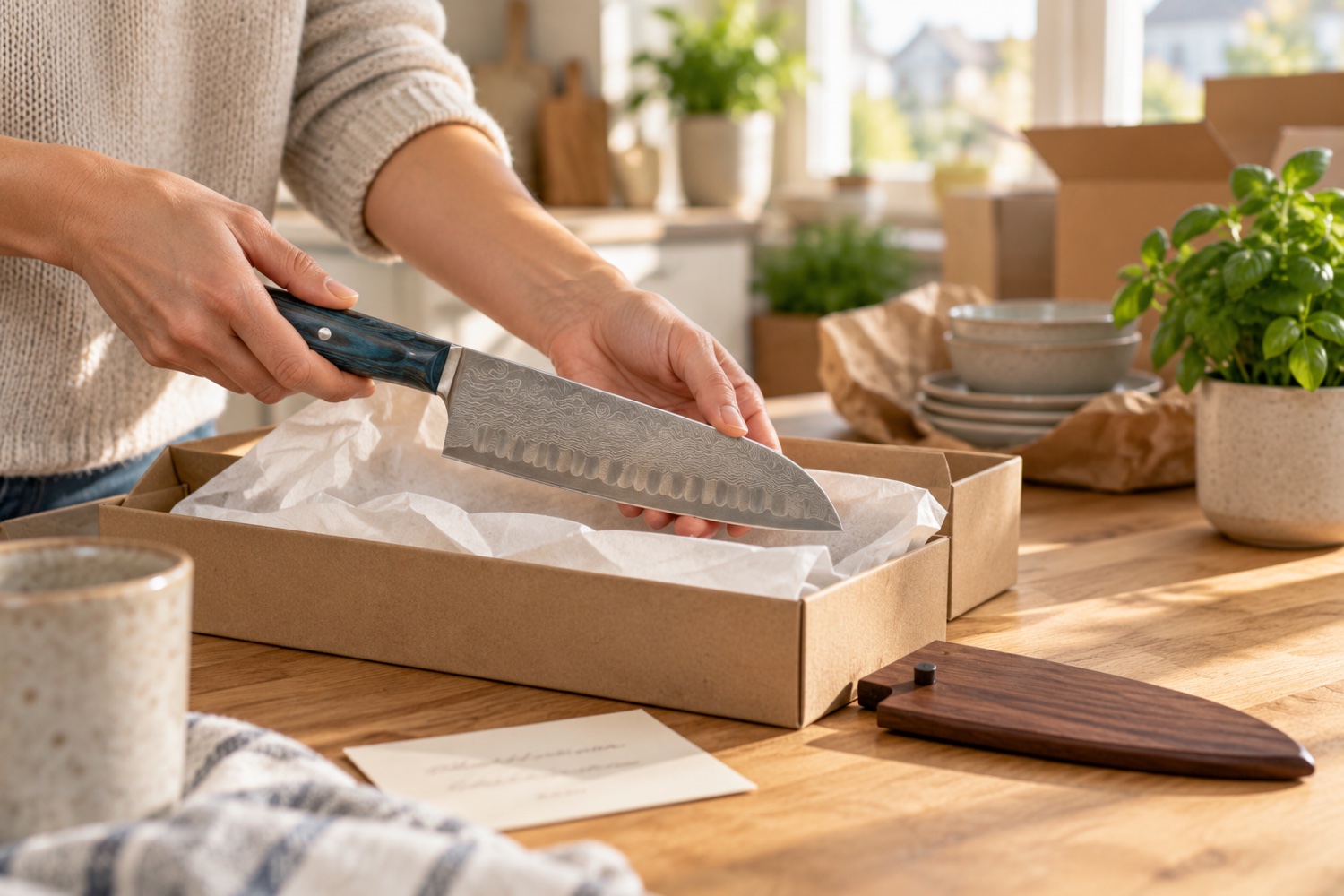
- Hocho Knife says it offers gift wrapping with Japanese-inspired designs and a message card as options when you order. A sheath or blade guard is a separate purchase; ask the shop which fits.